One in Four Model S Drivers Killed in Fatal Crashes Was Impaired. Corvette Owners Should Feel Seen.
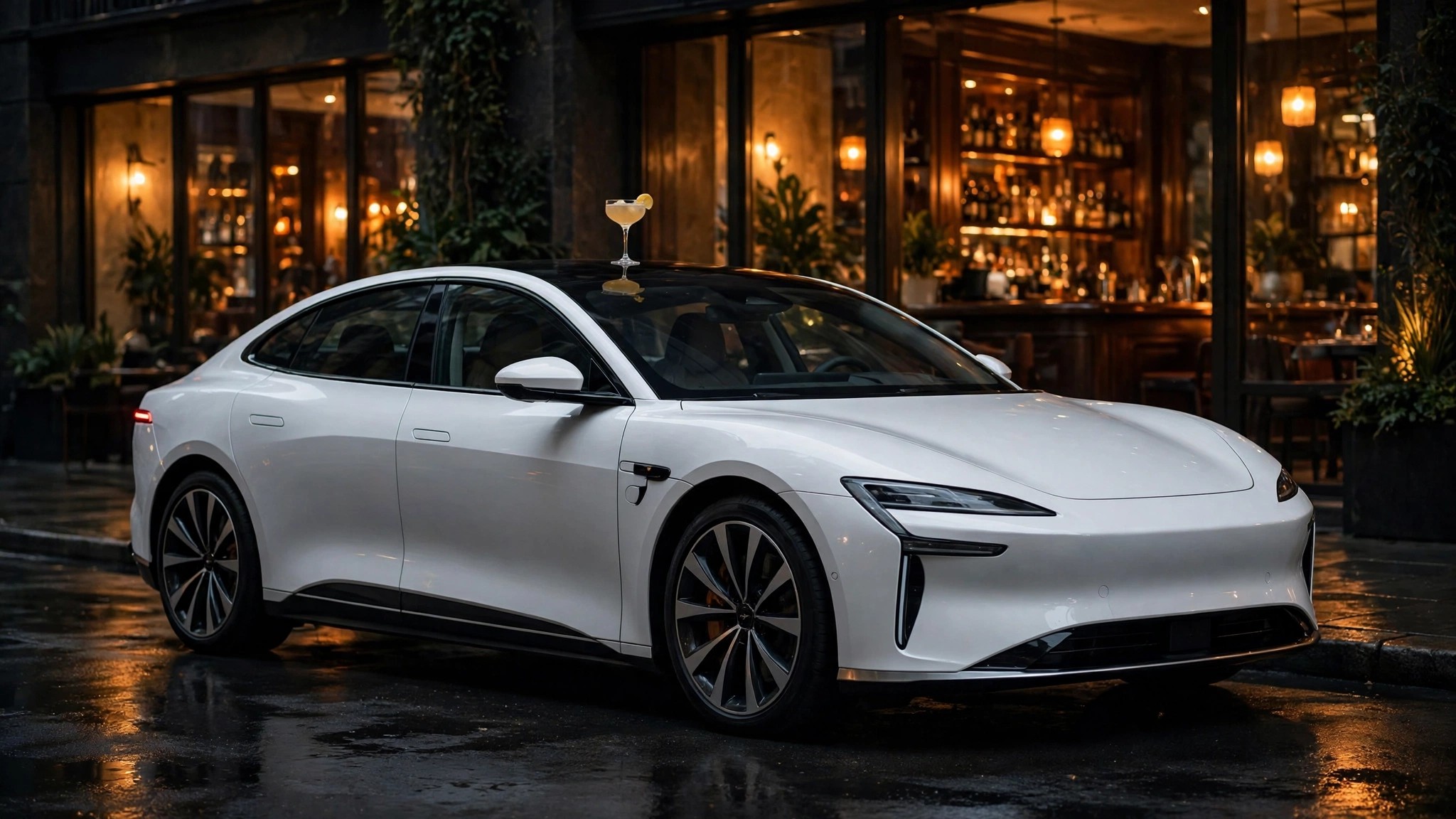
According to the toxicology reports, Tesla's flagship sedan has more in common with a Corvette than Elon Musk would like you to believe. FARS data shows 24% of Model S drivers involved in fatal crashes tested positive for alcohol or drugs, placing it squarely in the company of the Corvette (26.2%), the BMW 7 Series (26.1%), and the Cadillac CTS (25.9%).[1]
That number comes from 204 Model S drivers in the FARS toxicology dataset, 2014 through 2023. Of those, 39 tested positive for alcohol and 13 for drugs. Its alcohol rate alone (19.1%) exceeds the average for all sedans in the dataset. This is a car that starts north of $80,000 and markets itself as the vanguard of autonomous driving technology. Its driver demographic overlaps with people who can afford very nice dinners and very full wine lists.
But the genuinely surprising finding is what happens when you line up Tesla's own models by price. What emerges is almost comically clean:
Model S (~$80K+): 24.0% impaired. Model X (~$80K+): 21.3%. Model 3 (~$40K): 20.1%. Model Y (~$50K): 17.6%. The more expensive the Tesla, the more likely the dead driver was drunk or drugged. You could plot sticker price against impairment and get a trendline R² that would make a statistics professor nod approvingly.[1]
For context, consider the Toyota Prius: 16.0% impairment across 1,746 drivers in the FARS dataset. The Prius. The car with the aerodynamics of a melted shoe and the sex appeal of a library card. Its drivers die sober at nearly twice the rate of Tesla's most expensive sedan. If you wanted to find an EV-adjacent vehicle driven by people who make responsible choices, FARS says it has a Toyota badge, not a Tesla one.[1]
None of this is about vehicle safety itself. Tesla's crash-survival numbers are genuinely good. Tesla's Model 3 has a death rate of 0.05 per 100 million VMT. The Model Y is at 0.03. Those are among the lowest figures in the entire FARS dataset. The vehicles absorb energy well, the battery architecture distributes crash forces effectively, and the five-star NHTSA ratings are earned.[2]
The problem is what Tesla leaves out. Every quarter, the company publishes a Vehicle Safety Report comparing Tesla crash rates to the national average, claiming Autopilot-equipped vehicles are roughly five times safer than the average American car.[3] What the report never mentions is the driver on the other side of the steering wheel. FARS doesn't care about your car's safety rating when your BAC is 0.14.
With 765 drivers in the FARS toxicology sample, the Model 3 is the most statistically robust in the Tesla fleet. At 20.1% impairment, it sits above the median for sedans and well above the Prius benchmark. The Model Y's 455-driver sample puts it at 17.6%, which is lower but still meaningfully above zero-impairment. These are not rounding errors. They represent a consistent pattern across every Tesla model in the FARS dataset.
A few caveats are in order. Admittedly, the Model S sample (204 drivers) is smaller than ideal for definitive conclusions, though it is well above the 100-driver threshold where FARS trends typically stabilize. Impairment at the time of a fatal crash doesn't prove the impaired driver was at fault. And the price-impairment gradient almost certainly reflects demographic confounders (income, age, lifestyle) rather than something inherent in the vehicles.
Still. Tesla sells the future. Full Self-Driving. Autopilot. A car that watches the road so you don't have to. Its marketing implies that human error is a problem the company is engineering away. FARS says human error is showing up in the toxicology report at the same rate it does for a mid-century sports car with 495 horsepower and a reputation for wrapping itself around telephone poles.
What this means for you: If you own a Tesla and drink, no amount of Autopilot compensates for impairment. The car's excellent crash structure keeps your survival odds high, but 24% of the Model S drivers who showed up in FARS never got to appreciate it. Before your next dinner party, designate a driver or call a ride. The technology on your dashboard is not a substitute for the decision you make before you start it.