The Ford Taurus Was America’s Best-Selling Car. Then It Became a Ghost.
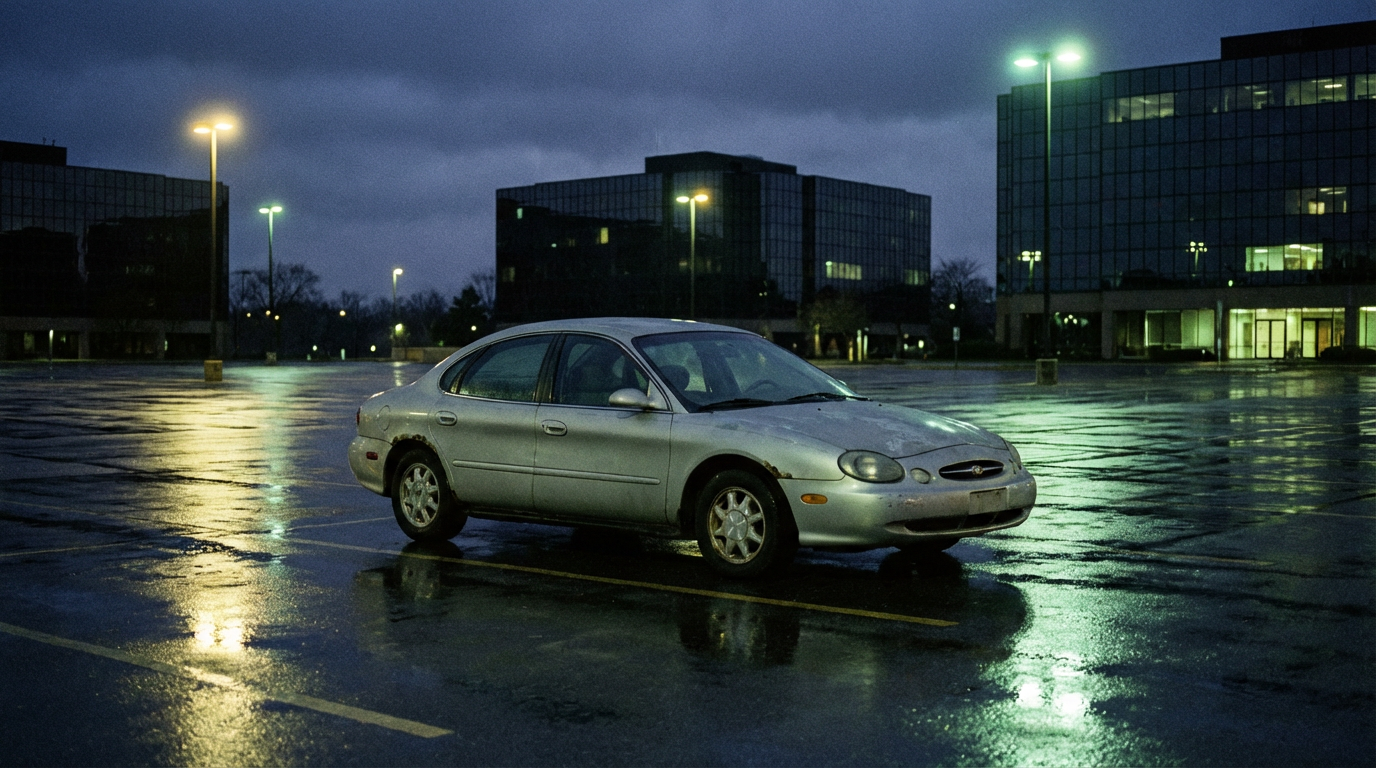
The numbers don’t lie, but they do occasionally smirk. The Ford Taurus — the car that saved Ford Motor Company in 1986, the car that was the best-selling vehicle in America for five consecutive years — killed 2,208 people between 2014 and 2023. And almost nobody noticed, because by then, nobody was paying attention to the Taurus at all.
The FARS data tells a story of decline turned deadly. With an estimated fleet of 700,000 vehicles generating roughly 8.05 billion miles per year, the Taurus posts a fatality rate of 2.74 deaths per 100 million VMT. That’s worse than the Camry (2.03), worse than the Malibu (2.03), worse than the Fusion (1.23) — Ford’s own replacement for the Taurus.
Here’s the arc: Ford introduced the Taurus in 1986 as a revolutionary aerodynamic sedan. It became the best-selling car in America from 1992 to 1996. Then Ford got complacent, the 2000 redesign flopped, and by 2006 Ford killed the nameplate entirely. When they brought it back in 2010, it was a rebadged Five Hundred — bigger, heavier, and sold almost exclusively to rental fleets and police departments.
That fleet lifecycle is the key to the body count. The Taurus’s 3,265 fatal crashes involved a disproportionate share of high-mileage, poorly maintained ex-rental vehicles cycling through second and third owners who couldn’t afford newer alternatives. It’s the Impala pattern again — a car that starts as corporate transportation and ends as someone’s last ride.
Compare the Taurus to the Ford Fusion, which effectively replaced it in Ford’s consumer lineup: the Fusion has more total deaths (2,168) on a larger fleet (1.53M vs 700K), but its per-mile rate is just 1.23 — less than half the Taurus’s 2.74. Same manufacturer, same decade, same roads. The difference is the Fusion was actually designed for the people who drove it, while the Taurus was designed for the people who bought it — fleet managers who never sat in the driver’s seat.
Ford finally killed the Taurus for good in 2019. The last ones rolled off the line in Chicago, headed for rental lots and police impound yards. But FARS doesn’t care about obituaries. Every aging Taurus on the road is still a data point waiting to happen — a ghost from an era when being best-selling meant something, and being forgotten meant dying quietly in someone else’s crash statistics.
Sources & References
- NHTSA, Fatality Analysis Reporting System (FARS), 2014–2023. nhtsa.gov
- National Household Travel Survey (NHTS) — vehicle miles traveled estimates. nhts.ornl.gov
- IIHS, Fatality Facts: Passenger Vehicles. iihs.org
- Ford Authority, Ford Taurus Sales Figures — best-selling car in America 1992–1996 (1.93M sold in those 5 years). fordauthority.com
- Good Car Bad Car, Ford Taurus Sales Data — historical U.S. annual sales through discontinuation. goodcarbadcar.net
- IIHS, Vehicle Ratings: Ford Taurus. iihs.org