1.9 Million Vehicles Just Lost the Safety Feature That Saves 78% of Backover Victims
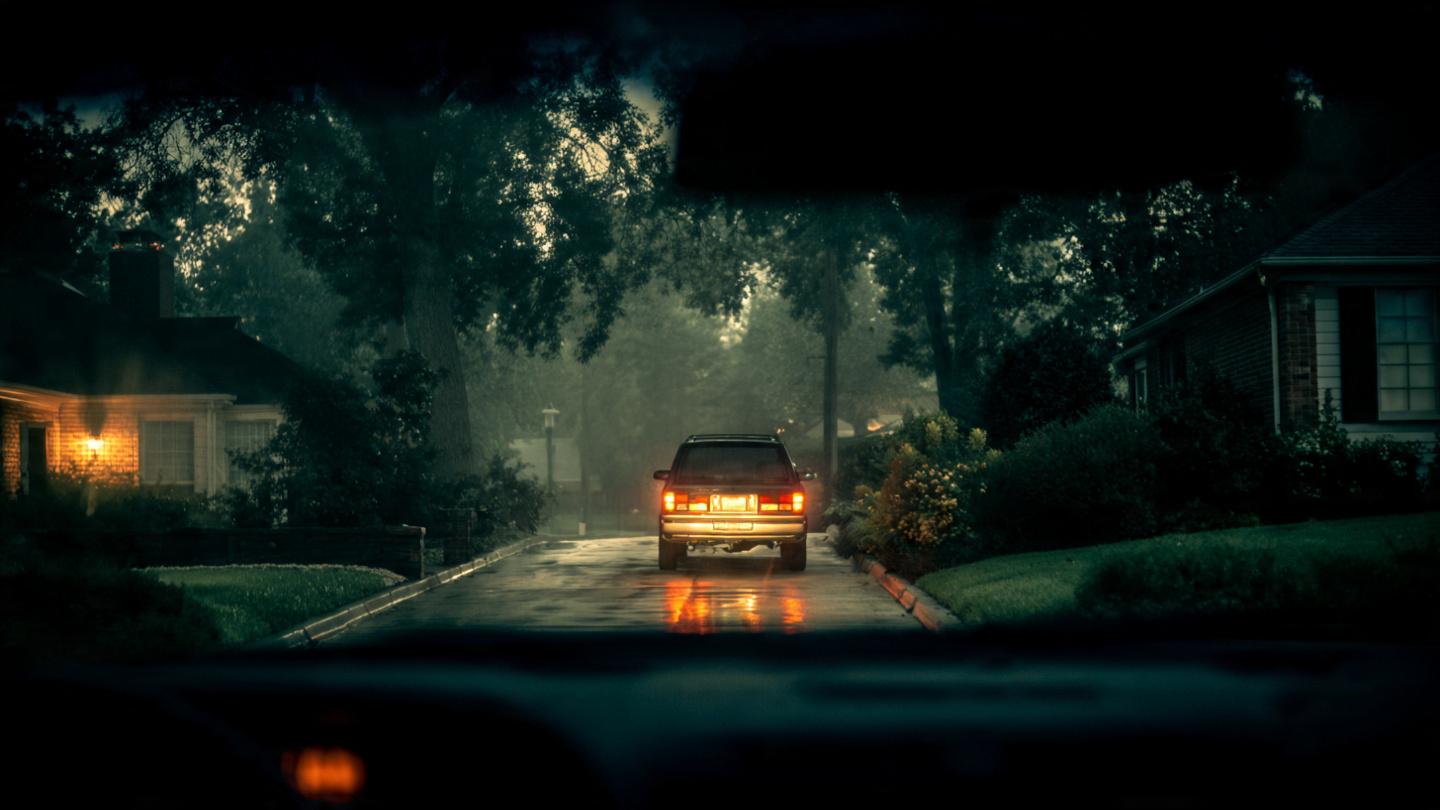
March 6, 2026: Ford issues a recall covering 1.74 million Broncos, Edges, Escapes, and Lincoln Corsairs. The Accessory Protocol Interface Module overheats, killing the rearview camera feed. March 25: Toyota follows with 144,200 Lexus NX, RX, and TX models. Same symptom. Screen goes black when the driver shifts into reverse.[1][2]
Nearly 1.9 million vehicles lost the one feature federally mandated to prevent 284 backover deaths per year.
A Mandate Built on Bodies
FMVSS 111 took effect May 1, 2018, requiring rearview cameras in every new vehicle sold in the United States. NHTSA's justification: 210 to 264 annual deaths and up to 15,900 injuries from backover incidents. KidsAndCars.org puts the weekly toll at 50 children struck while a vehicle reverses. Two of those 50 die.[3][4]
An AAP study presented in September 2025 confirmed the mandate worked. Child fatalities from backovers dropped 78%. Severe injuries fell nearly 50%.[5]
So the cameras save lives. And 1.9 million of them just broke.
The SUV Problem
KidsAndCars.org data shows 60% or more of backover fatalities involve trucks, vans, and SUVs. Look at the recall list. Ford Bronco. Ford Edge. Ford Escape. Lexus RX. Lexus TX. Every single recalled model is an SUV or crossover. The vehicle class most likely to kill in a backover is the class losing its camera.[4]
FARS data compounds this. Among the recalled models, the Ford Escape carries a fatality rate of 0.95 deaths per 100 million VMT against a FARS dataset average of 0.91, with 2,284 total deaths and 211 post-2018 model year fatalities. The Ford Edge adds 508 deaths at 0.46 per 100M VMT. Both models have massive fleets and crash histories that place them well above niche status.[6]
The Completion Rate Problem
NHTSA's own recall completion data tells you what happens next: roughly 25% of affected owners bring their vehicles in for repair within 18 months. Apply that rate to 1.9 million vehicles and 1.4 million of them will still have broken cameras a year and a half from now. Some permanently.[7]
An estimated 85 million camera-equipped vehicles are on U.S. roads today. That figure combines roughly 50 million post-2018 model year vehicles (all camera-mandated) with approximately 35 million pre-mandate vehicles that shipped with factory cameras, adjusted for average fleet scrappage. This recall wave puts 2.2% of the entire camera-equipped fleet into a defect status. Not a rounding error.
The Counterargument
Ford's APIM issue is intermittent, not constant. Most affected drivers will see their camera work normally most of the time. The failure requires the module to overheat, which depends on ambient temperature, system load, and usage patterns. Many owners may never experience a blank screen. Toyota's defect is similarly conditional.
That argument holds up if you assume backover incidents distribute evenly across driving time. They don't. They happen in driveways, parking lots, and daycare pickup lines. Once. Briefly. A camera needs to work every single time the driver shifts into reverse, because the one time it doesn't could be the time a toddler is standing behind a Bronco.
What You Should Do
If you own a Ford Bronco, Edge, Escape, or Lincoln Corsair, or a Lexus NX, RX, or TX built since 2020, check your VIN at nhtsa.gov/recalls. Not all model years are affected, but the VIN lookup takes 30 seconds. Schedule the repair before the dealer contacts you, not after.
Until the fix is applied: walk behind your vehicle before reversing. Every time. The camera mandated to replace that habit just became unreliable.
Limitations
This analysis relies on NHTSA's historical recall completion rate of approximately 25%, which is an aggregate across all recall types and manufacturers. Camera-specific recall completion rates could differ. FARS fatality data captures only fatal crashes, not the broader injury picture. The 85-million camera-equipped fleet estimate uses new-vehicle sales data and average scrappage rates, introducing uncertainty of roughly 10-15%. We cannot determine from available data how frequently the Ford APIM overheating actually triggers a camera blackout in real-world conditions.
Sources & References
- Reuters, “Ford to recall 1.74 million vehicles in U.S. over rearview camera issue, NHTSA says,” March 6, 2026. reuters.com
- Reuters, “Toyota to recall over 144,000 U.S. vehicles over rear-view camera issue, NHTSA says,” March 25, 2026. reuters.com
- NHTSA, FMVSS No. 111 Final Rule, “Federal Motor Vehicle Safety Standard; Rear Visibility,” 2014. nhtsa.gov
- KidsAndCars.org, “Backovers: Facts & Data.” kidsandcars.org
- American Academy of Pediatrics, 2025 National Conference & Exhibition, rearview camera mandate effectiveness study. aap.org
- NHTSA, Fatality Analysis Reporting System (FARS), 2014–2023. nhtsa.gov
- NHTSA, Recall Completion Rate data. nhtsa.gov