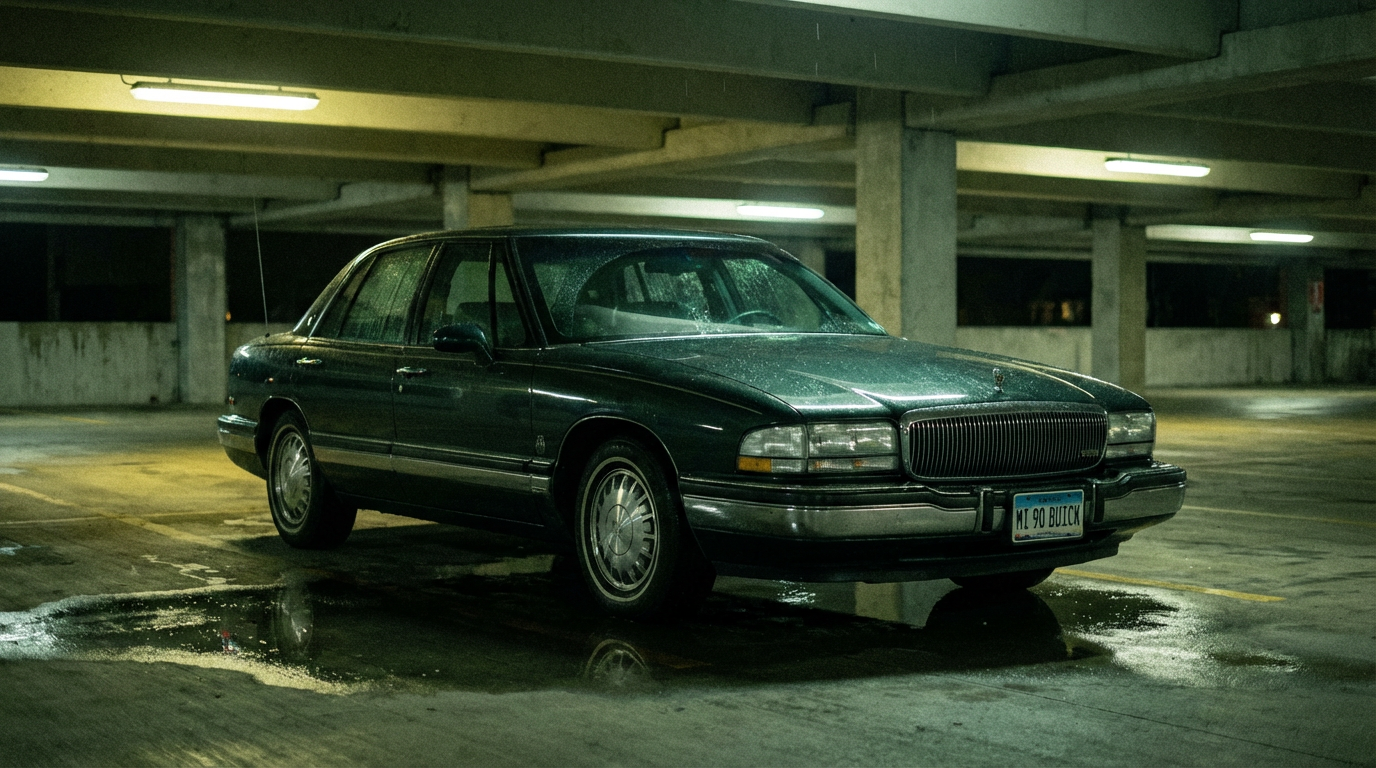
The Car With America’s Drunkest Drivers Is a Buick
According to the toxicology reports — and there are a lot of them — the most substance-fueled vehicle in American fatal crash data is not a Corvette, not a Camaro, not some lifted pickup rolling coal into a ditch. It’s a Buick Park Avenue. Of 259 Park Avenue drivers in fatal crashes between 2014 and 2023, 31.7% tested positive for alcohol or drugs[1]. First in the standings. Five and a half points clear of the Corvette.
The breakdown: alcohol positive 24.3%, drug positive 16.6%[1]. That drug number alone outpaces the Corvette’s 10.4% by six full points. The dataset average across all vehicles is 20.0%. The Park Avenue clears it by nearly twelve.
| Vehicle | Type | Any Impaired | Alcohol | Drugs |
|---|---|---|---|---|
| Buick Park Avenue | Sedan | 31.7% 🔴 | 24.3% | 16.6% |
| Chevrolet Corvette | Sports Car | 26.2% | 21.3% | 10.4% |
| Cadillac CTS | Sedan | 25.9% | 20.6% | 10.2% |
| Buick LeSabre | Sedan | 23.5% | 17.2% | 10.9% |
| Chevrolet Camaro | Sports Car | 23.0% | 17.1% | 10.2% |
| Dodge Charger | Sedan | 22.7% | 17.0% | 9.1% |
| Ford Mustang | Sports Car | 21.9% | 16.4% | 9.6% |
| Mercury Grand Marquis | Sedan | 18.5% | 14.4% | 8.1% |
| Dataset Average | — | 20.0% | — | — |
The Pipeline Nobody Talks About
Buick killed the Park Avenue in 2005. Last one left Hamtramck and slid into a depreciation curve that turned a country-club sedan into a desperation-lot special in about eight years. GM’s 3800 Series II V6 was an unkillable engine — enthusiast forums and salvage-yard mechanics will tell you 250,000 miles was routine[2]. The cars outlasted their intended owners by a decade.
Every model year from 1996 through 2005 shows up in the fatal crash data during the study period[1]. 2003 leads with 13 deaths. Comfortable ride. Quiet cabin. Tinted windows from the factory. The kind of car that’s invisible at 2 a.m. and costs less than a month of court fees.
The Buick Standings
This goes deeper than one model. LeSabre: 23.5%. Century: 21.8%. Lucerne: 22.0%. DTS — technically Cadillac, same GM platform — 22.3%[1]. Every full-size Buick sedan from this era posts impairment rates well above the dataset average. GM marketed them at early-bird-dinner buyers. Depreciation delivered them to last-call buyers instead.
The Mercury Grand Marquis ran the same playbook: same vintage, same V8 anonymity, same slide down the price curve. It posts 18.5%[1]. Thirteen points behind the Park Avenue. Ford’s land yachts aged into cheap cars too. They just didn’t age into this.
259 Drivers, One Verdict
259 drivers. 82 on something[1]. The Camry does that volume in a few months. But no vehicle in the FARS database has a more lopsided ratio — a behavioral fingerprint stamped into every model year from ’96 through ’05.
GM put leather seats and wood-grain trim in the Park Avenue. Ran ads during golf tournaments and in AARP The Magazine. Twenty years later the final stat line reads: first in impairment, first in alcohol, first in drugs. A clean sweep from a car that was supposed to die quietly in a retirement-community parking lot.