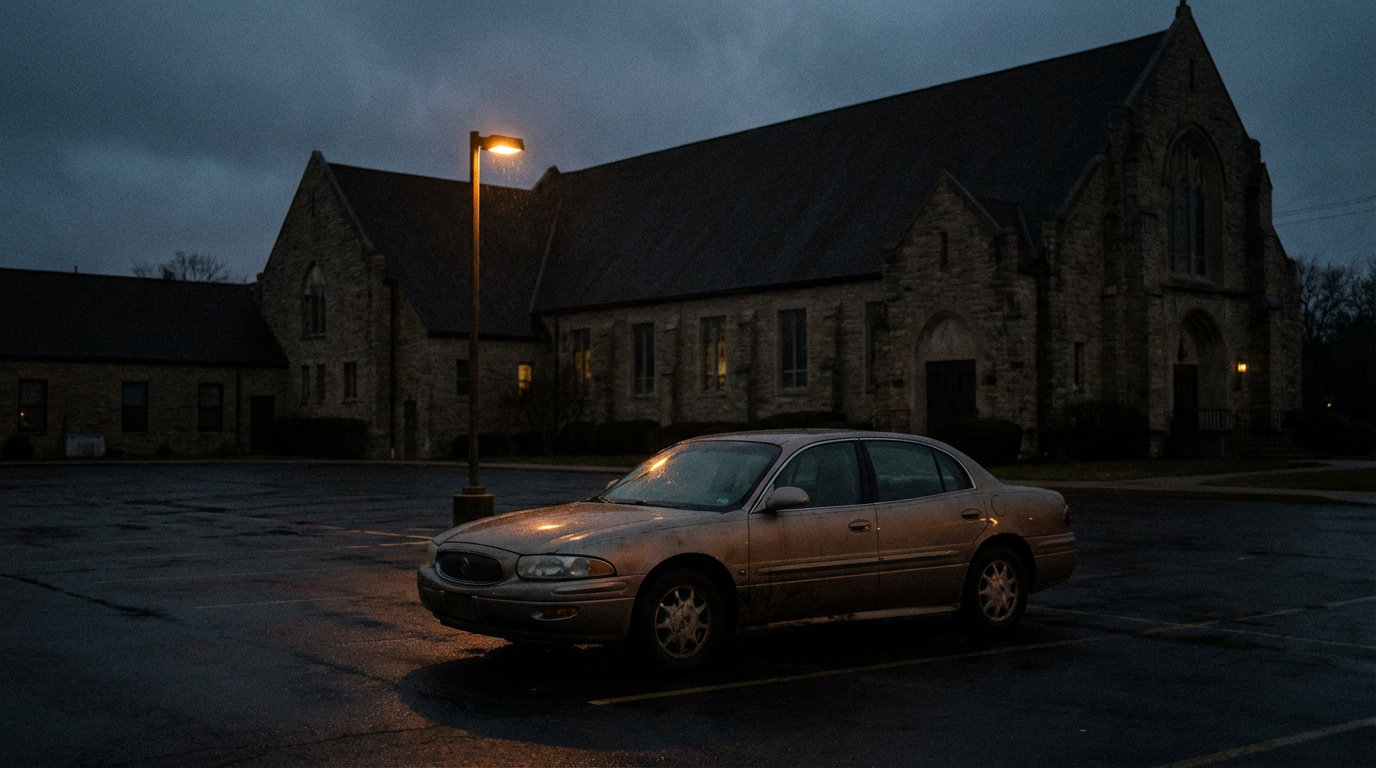
Grandma’s Buick LeSabre Has a Higher Death Rate Than the Toyota Camry
Here’s a fun fact that will ruin your morning commute. The Buick LeSabre — the official car of early-bird dinner specials, church parking lots, and “I bought it because Consumer Reports said it was reliable” — killed 1,344 people over the FARS study period. At a rate of 2.67 deaths per 100 million vehicle miles traveled, it is 32% deadlier per mile than the Toyota Camry.
Let that sink in. The Crown Victoria — the car famously associated with police chases, taxi fleets, and high-speed interstate work — manages a 1.46 rate. The LeSabre, a car whose most aggressive use case was merging onto the highway at 52 mph with a turn signal that’s been on since last Tuesday, is nearly twice as deadly per mile.
The fleet was small: just 437,500 registered LeSabres in the study period. But from that modest pool came 1,633 fatal crashes. Model year 2004 leads the body count at 188 deaths, followed by 2003 and 2002 tied at 153 each. The 2000 model year adds 152 more. Buick discontinued the LeSabre in 2005, but the cars kept killing people for years afterward — the last model year entries still racking up fatalities well into the 2010s.
Then there’s the impairment data, which is where the grandma narrative completely falls apart. Of 1,209 LeSabre drivers in fatal crashes, 23.5% tested positive for alcohol or drugs. That’s 17.2% alcohol-positive and 10.9% drug-positive — well above the dataset average. Nearly one in four fatal LeSabre crashes involved an impaired driver. These are not retirees backing into mailboxes. These are people getting hammered and climbing into a 3,400-pound, body-on-frame sedan with the structural rigidity of a filing cabinet.
The LeSabre’s problem was simple physics married to bad timing. GM’s H-platform was ancient by the time the last ones rolled off the line — front-wheel drive, sure, but with crash protection a generation behind what Honda and Toyota were doing. No side curtain airbags. No electronic stability control. A 4-star NHTSA frontal rating that looked adequate on paper and was catastrophically inadequate in practice. By the time these cars were $3,000 beaters on Craigslist, they were being driven by people who couldn’t afford anything safer.
The Malibu (2.03 rate) is already on this site. The Impala (2.06) too. But the LeSabre — at 2.67 — is the deadliest of GM’s “normal” sedans, and nobody ever talks about it because the brand image is so aggressively boring that your brain refuses to flag it as dangerous. Buick’s entire marketing strategy was “quiet comfort.” The LeSabre delivered on the quiet part. Permanently, for 1,344 people.