Congress Passed a Law to Stop Hot Car Deaths. NHTSA Missed the Deadline by Three Years. Ten Children Are Dead.
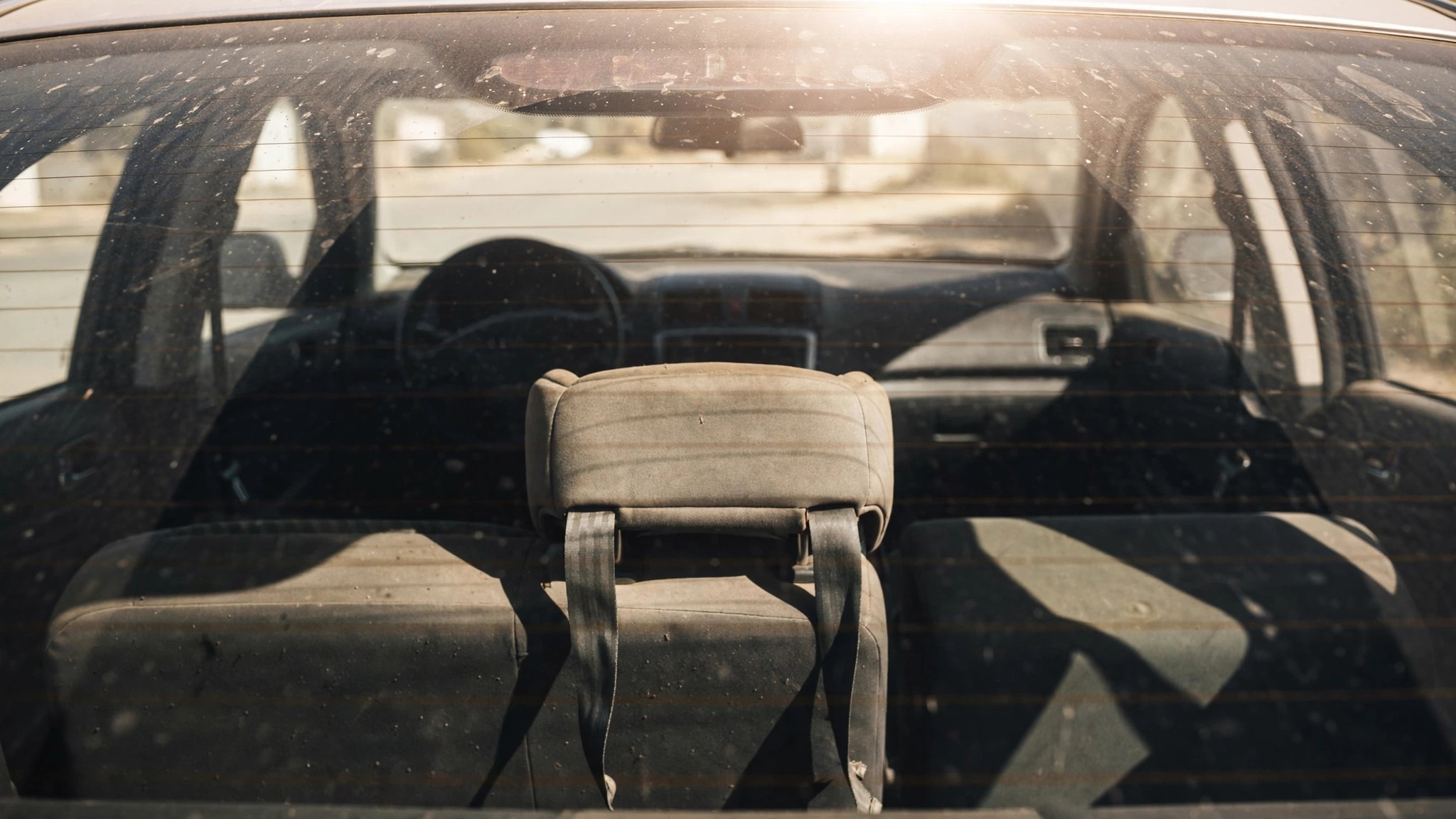
On November 15, 2021, President Biden signed the Infrastructure Investment and Jobs Act into law. Buried in Section 24222, Congress ordered NHTSA to do something it had been stalling on for a decade: write a rule requiring new passenger vehicles to detect an occupant left behind in a parked car and sound an alarm. Congress gave the agency two years, which means the deadline was November 2023, and it is now July 2026.
The rule does not exist.
Since 1998, vehicular heatstroke has killed 1,042 children in the United States.[1] Not in crashes and not on highways, but in parking lots and driveways, in cars that were standing still, while a parent ran inside or a routine broke and nobody checked the back seat. The toll averages roughly 40 children a year, and the physics are merciless: a car's interior can climb 20°F in ten minutes, even with the windows cracked, and a toddler's body heats three to five times faster than an adult's.
This year's count, through the first week of July: ten dead, four of them in Florida alone. Six of the ten were unknowingly left behind by caregivers who loved them. An 18-month-old in Plantation whose father didn't realize the boy was still in the car when he arrived at the daycare. A two-year-old in Hallandale Beach, left with a babysitter who apparently forgot she'd put the child in the car. A four-year-old in Los Angeles, a two-month-old in Fredericksburg, Virginia.[2]
Two Rules, One Missing
There are two federal regulatory tracks here, and they are not the same thing, though people constantly confuse them. The first is the rear seat belt reminder rule, finalized by NHTSA in December 2024: by September 2027, new vehicles must chime and flash if a rear-seat passenger hasn't buckled up.[3] It addresses seat belt compliance. NHTSA estimates it will save about 50 lives and prevent 500 injuries per year.
That rule exists, it's on the books, and manufacturers are preparing to comply.
The second is occupant detection: a system that senses a living being left in the vehicle after the engine shuts off and triggers an audible and visual alarm. This is the rule Congress mandated in Section 24222 of the IIJA, with a two-year deadline and explicit language about "reducing death and injury resulting from vehicular heatstroke, particularly incidents involving children."[4]
That rule does not exist: NHTSA has not published a Notice of Proposed Rulemaking, set no compliance date, established no phase-in schedule.
NHTSA found the bandwidth to finalize one rule (saves adults from belt non-use) and not the other (saves children from being cooked alive in a parked car), and while bureaucratic capacity is real and finite, Congress didn't ask NHTSA to pick between them. They mandated both.
The Math of Inaction
Even if NHTSA had met the November 2023 deadline and allowed a standard two-year phase-in, the first equipped vehicles would have rolled off lots around November 2025, and only for new cars. Fleet turnover averages about 12 years; it would take a decade before occupant detection saturated most of the vehicles on the road. The technology would not have saved all ten of this year's victims, and probably not most of them.
That's the strongest case for measured response: the timeline between rule and impact is long, the annual death count is small relative to the 40,000+ traffic fatalities NHTSA usually contends with, and automakers' voluntary rear seat reminders, which use door logic to chime when you shut the engine off after a rear door was opened during the trip, are already in many vehicles.
But the door-logic systems have a problem Amber Rollins, executive director of Kids and Car Safety, has been pointing out for years: they don't detect a child who was already in the car before the trip began, or one who climbed in independently while the vehicle was parked. About 25% of hot car deaths involve children who entered unoccupied vehicles on their own.[1] Door logic catches neither scenario. True occupant detection, using ultrasonic sensors, radar, or cameras, catches both.
The Technology Is Not Hypothetical
Hyundai has shipped vehicles with ultrasonic rear occupant alert systems since 2019. If the system detects movement inside a locked vehicle after the engine shuts off, it honks the horn and sends an alert to the driver's smartphone.[5] Euro NCAP has evaluated child presence detection systems since 2023. Tesla's cabin overheat protection monitors interior temperature and runs climate control, though it is not marketed as an occupant detection system and has its own limitations.
This is not bleeding-edge hardware, and ultrasonic sensors cost single-digit dollars per unit. The engineering challenge is modest compared to, say, the automated emergency braking systems NHTSA finalized in April 2024 with a compliance date of September 2029.
The auto industry's voluntary commitment from 2019, brokered by Republican Senator Roger Wicker as an alternative to legislation, promised rear seat reminder systems (door-logic, not detection) in substantially all vehicles by 2025.[5] That commitment was explicitly cited as a reason legislation was unnecessary. Then Congress passed the legislation anyway, because the voluntary systems don't detect children, they detect door openings.
Fifty-Four Percent
In 54% of hot car deaths, the caregiver unknowingly left the child behind.[1] Not neglect, not abuse, not cruelty. A father who drives to daycare every morning until the one morning he drives straight to work because his wife usually handles Tuesday drop-off but couldn't this week. A babysitter juggling three kids who miscounts and walks inside with two. A grandparent visiting from out of state who isn't used to the car seat being rear-facing.
A chime based on whether a rear door opened during the trip doesn't help when the child never left the car.
A sensor that detects a 15-pound body in a rear-facing car seat after the engine shuts off would.
What You Can Do While NHTSA Doesn't
Put your phone, your wallet, or your left shoe in the back seat whenever a child is in the car. Build the fail-safe into muscle memory, because the federal government has not built it into your vehicle. Check whether your car has a rear seat reminder system (most vehicles manufactured after 2020 have at least a basic one) and understand what it does and doesn't detect. Lock your car, always, even in the driveway, because a quarter of hot car deaths are children who let themselves in. Teach older children that cars are not hiding places.
If you see a child alone in a vehicle, call 911 first. Many states have Good Samaritan laws protecting people who break a window to rescue a child from a hot car, and the decision window is short: brain damage begins around 104°F core body temperature, and a car in 90°F heat can reach 130°F inside within 30 minutes.
Sources & References
- Kids and Car Safety / National Safety Council, Vehicular Heatstroke Data, 1998–2026. 1,042 child deaths through 2025; 54% unknowingly left, 25% gained independent access. kidsandcars.org
- Palm Beach Post / Fox 13 Tampa Bay, compiled 2026 hot car death reports through July 7: 10 deaths in FL, AL, PA, VA, CA, TN. fox13news.com
- NHTSA Final Rule, “Seat Belt Reminder Systems,” 49 CFR Part 571, Docket No. NHTSA-2024-0071, published Federal Register Jan 3, 2025. Compliance: front Sep 2026, rear Sep 2027. nhtsa.gov
- Infrastructure Investment and Jobs Act, Public Law 117-58, Section 24222, “Safety Warning for Occupants of Hot Cars,” enacted November 15, 2021. Mandates NHTSA final rule within 2 years. congress.gov
- Reuters, “Automakers to install rear seat reminders to stop hot car deaths in U.S.,” September 2019. Industry voluntary commitment brokered by Sen. Wicker. reuters.com
Source: Kids and Car Safety historical data (1998–2026), IIJA Section 24222 (2021), NHTSA rulemaking docket NHTSA-2024-0071. Hot car deaths are not classified as motor vehicle traffic crash fatalities and do not appear in FARS. The 40 deaths/year figure is an approximate annual average compiled from news reports and advocacy data, not a federally audited statistic. Even with timely rulemaking, fleet turnover means occupant detection systems would take years to reach most vehicles. The Crash Report has no affiliation with NHTSA, Kids and Car Safety, or any automaker. See methodology for caveats.