Six Vehicles Just Hit a Death Rate of Zero. One Was in 5,078 Fatal Crashes.
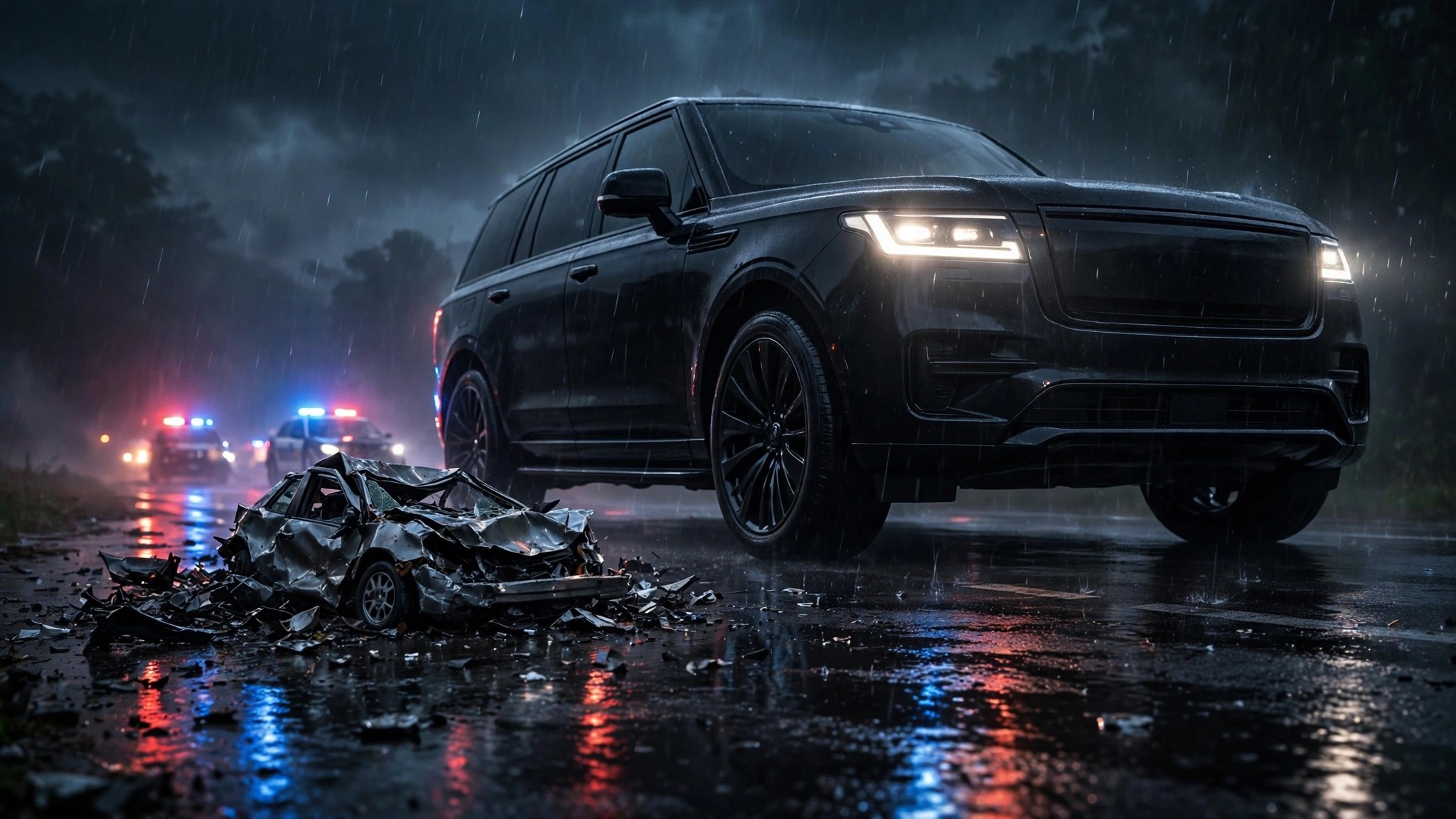
HLDI just published its 2023 driver death rates, and six vehicles achieved the impossible: zero driver deaths per million registration years. Audi Q7. BMW X7. Chevrolet Tahoe 4WD. Mercedes-Benz GLB and GLE. Toyota Tundra CrewMax 4WD. If you're shopping for immortality, the sticker starts around $60,000.[1]
We cross-referenced three of those six models against a decade of NHTSA's Fatality Analysis Reporting System. Over ten years, Tahoes appeared in 5,078 fatal crashes and racked up 2,592 occupant deaths. Tundras: 2,947 fatal crashes, 1,223 deaths. Q7s were in 92 fatal crashes. Their occupants died in 29 of them. In the other 63, someone in the other vehicle did.[2]
That 68.5% figure for the Q7 is not an anomaly. Across FARS data, heavy SUVs and trucks consistently show the same pattern. Land Cruisers export death at 65.3%. Tundras at 58.5%. Yukons at 52.4%. None of these vehicles prevent fatalities. They redirect them. Physics dictates the outcome: when a 5,600-pound Tahoe meets a 2,800-pound Civic, the lighter car absorbs the energy differential with its occupants' rib cages. IIHS has documented this for decades, finding that for every 1,000 pounds of weight advantage, the lighter vehicle's fatality risk climbs roughly 47%.[3]
Compare those export numbers with what HLDI flags as its deadliest vehicles. A Kia Rio, crowned most dangerous at 170 deaths per million registration years, has a death-export rate of just 27%. Chevrolet Cobalt: 19.2%. Buick LeSabre: 17.7%. Cheap, light cars crash and kill their own occupants. Expensive, heavy SUVs crash and kill somebody else's. A Rio costs $17,000. A Q7 costs $60,000. That $43,000 premium buys you a transfer of mortality risk from your own chest cavity to a stranger's.
Nobody at HLDI is being dishonest. Driver death rate is a valid metric, and within that frame, the data is sound. A Q7 driver IS safer than a Rio driver. But "zero death rate" headlines land in a world where consumers read them as "this vehicle doesn't kill people," which is the opposite of what FARS data shows. Six vehicles didn't solve death. They solved it for one seat.
Sources & References
Limitations
FARS "crash" counts include all fatal crashes involving a vehicle regardless of fault, including multi-vehicle, single-vehicle, and pedestrian crashes. Death-export percentages are approximate. HLDI uses single-year 2023 registration data; our FARS analysis spans 2014–2023. Single-year data for low-volume luxury models (Q7, X7, GLB) may reflect small sample sizes rather than true zero risk. Weight-class fatality risk figures come from an IIHS analysis of specific crash configurations and may not generalize to all scenarios.