Stellantis Shipped 11,980 Grand Wagoneers With ESC Disabled From the Factory
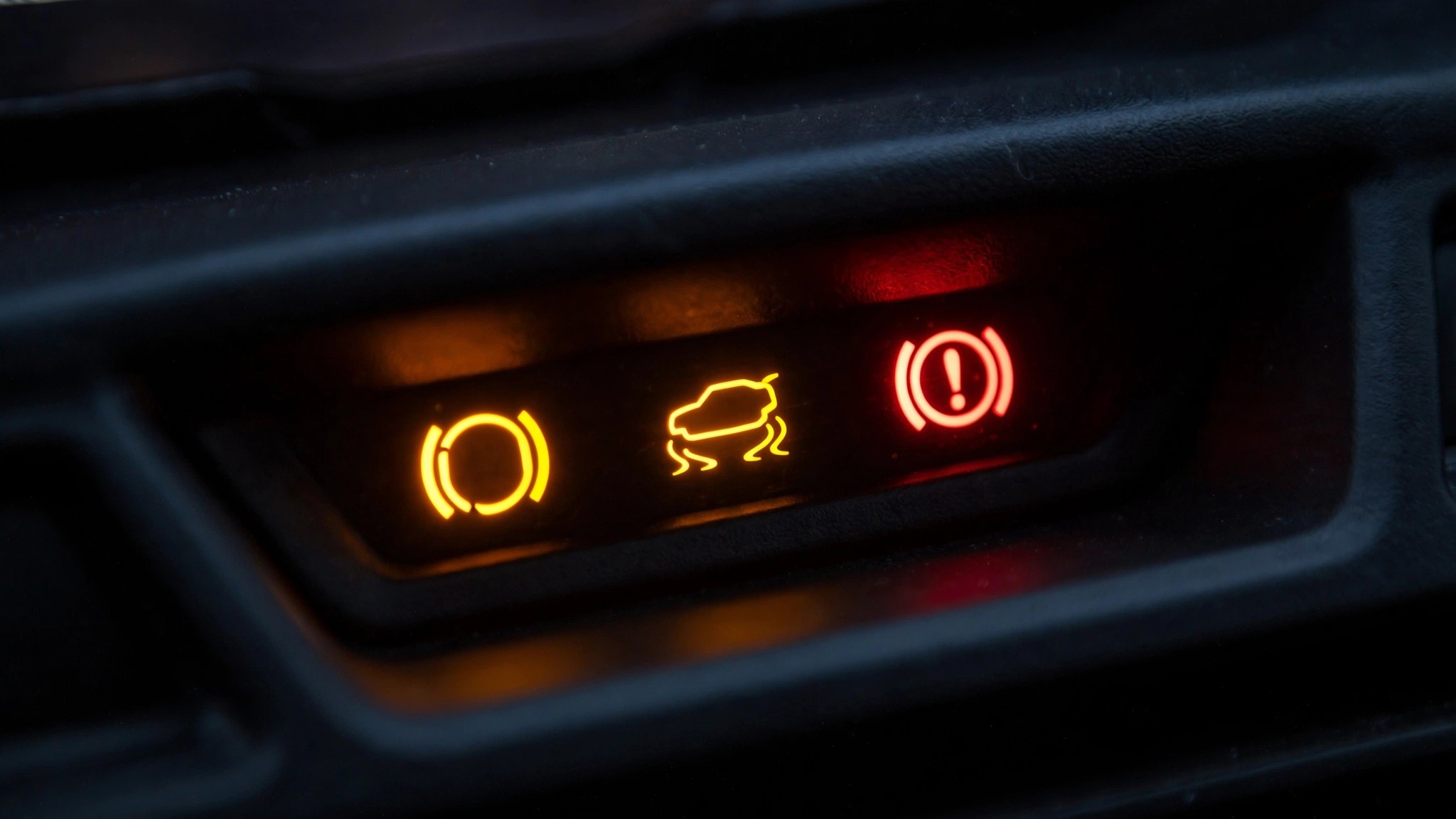
Electronic stability control is the single most effective crash-prevention technology ever bolted to a passenger vehicle. IIHS research puts the reduction in fatal single-vehicle SUV crashes at 56 percent.[1] NHTSA estimated it saved 1,580 lives in 2014 alone.[2] Congress mandated it on every new passenger vehicle sold after 2012 because the evidence was that overwhelming.
Stellantis just recalled 11,980 Jeep Grand Wagoneers because software installed during manufacturing disabled it.
Not a software update gone wrong. Not a supplier's defective part that failed in the field. The factory itself installed code that knocked out both ESC and brake assist before the vehicle ever touched asphalt. All 11,980 affected units (8,628 Grand Wagoneers, 3,352 Grand Wagoneer Ls, all 2026 model year) left the Warren, Michigan, assembly plant with their most critical active safety systems potentially inoperative.[3] These are vehicles that sticker above $90,000. Buyers paid luxury prices for a truck that shipped without the safety floor Congress made free two decades ago.
The math on what they lost is unambiguous. IIHS data shows ESC reduces fatal single-vehicle rollover risk for SUVs by 75 percent.[2] Invert that: a full-size SUV without ESC faces four times the rollover fatality risk of one with it. The Grand Wagoneer weighs north of 6,200 pounds, which helps with rollover resistance through sheer mass, but mass doesn't substitute for the system that selectively brakes individual wheels when it senses the vehicle departing its intended trajectory. At highway speed, on a rain-slicked curve, you either have the computer catching the slide or you don't. For some number of months, 11,980 Grand Wagoneer owners didn't.
Brake assist compounds the problem. The system detects emergency braking by monitoring pedal application speed and supplements the driver's input with maximum hydraulic pressure. Most drivers don't stomp the brake hard enough in an emergency, which is exactly why the system exists. Without it, they stop later and hit harder. Strip ESC and brake assist simultaneously and you've removed the two systems most likely to intervene in the three-second window between "this is fine" and "this is a fatal crash."
Stellantis hasn't disclosed how long these vehicles carried the defective software, but all 11,980 are 2026 model year, meaning early deliveries may have been on the road since late 2025. The recall was filed July 7, 2026. Owner notification letters won't go out until July 30. That gap is not a minor timeline footnote. Potentially six or more months of driving without ESC, plus three more weeks before owners learn about it. That's the exposure window during which a crash that ESC would have prevented could have already happened.[3]
The broader pattern makes this worse, not better. Pull up NHTSA's vehicle detail page for the Grand Wagoneer and every recommended safety technology listed (Forward Collision Warning, Lane Departure Warning, Crash Imminent Braking, Dynamic Brake Support) carries the same verdict: "Does Not Meet Performance Criteria."[5] The vehicle has never received an overall NHTSA safety rating. A $28,000 Mazda CX-5 carries IIHS Top Safety Pick+.[6] The $93,000 Grand Wagoneer can't pass the exam when its systems are functioning correctly and shipped 11,980 copies with two of them switched off.
This isn't even the only Stellantis factory-software recall this year. In April, the company recalled 20,271 Jeep Wagoneer S and Dodge Charger Daytona EVs because their digital instrument clusters randomly go blank, hiding federally mandated warnings for ABS, ESC, TPMS, and other critical systems.[7] Different vehicle, different defect, same root cause: software that left the factory broken. One manufacturing software failure is a quality-control lapse. Two in six months, across multiple platforms, affecting 32,000 vehicles, is a pattern.
The strongest counterargument: the recall says ESC "may" be lost, suggesting it's a conditional failure rather than a universal one. Maybe some Grand Wagoneers' ESC worked fine. Maybe the traction control subsystem provided partial stability assistance even when the ESC module was misconfigured. Maybe the vehicle's sheer mass and wide track kept it planted in situations where a lighter SUV would have rolled. All of that is plausible. None of it is an argument for shipping a vehicle from the factory with a manufacturing defect in a safety-critical system that has been mandatory for fourteen years.
What to do: If you own a 2026 Grand Wagoneer or Grand Wagoneer L, don't wait for the July 30 notification letter. Call your dealer now and reference NHTSA recall 26V414. The fix is a software update, a few minutes at the dealership. And check your VIN at nhtsa.gov/recalls. That page exists precisely because manufacturers sometimes ship vehicles that don't work as advertised, and it's free to use.
Sources & References
- NHTSA, ESC Effectiveness Estimate: Fatal Single-Vehicle SUV Crash Reduction. Via IIHS summary, September 2016. iihs.org
- IIHS, “Life-saving benefits of ESC continue to accrue,” September 1, 2016. ESC saved 4,100 lives 2010–14; reduces fatal SUV rollover risk by 75%. iihs.org
- NHTSA Recall 26V414, filed July 7, 2026. FCA US LLC. 11,980 vehicles: 2026 Jeep Grand Wagoneer (8,628) and Grand Wagoneer L (3,352). nhtsa.gov
- Brake assist effectiveness: NHTSA and Euro NCAP research on emergency braking intervention. Typical stopping distance reduction in panic stops varies by driver pedal force.
- NHTSA Vehicle Safety Page, 2023 Jeep Grand Wagoneer SUV 4WD. All four recommended safety technologies rated “Does Not Meet Performance Criteria.” nhtsa.gov
- IIHS, 2026 Top Safety Pick+ award recipients. iihs.org
- NHTSA Recall (Stellantis), 2024–2025 Jeep Wagoneer S and Dodge Charger Daytona instrument cluster software. 20,271 vehicles affected. Filed April–May 2026. nhtsa.gov