The Dodge Grand Caravan Was America's Favorite Family Van. It Has a Body Count of 1,782.
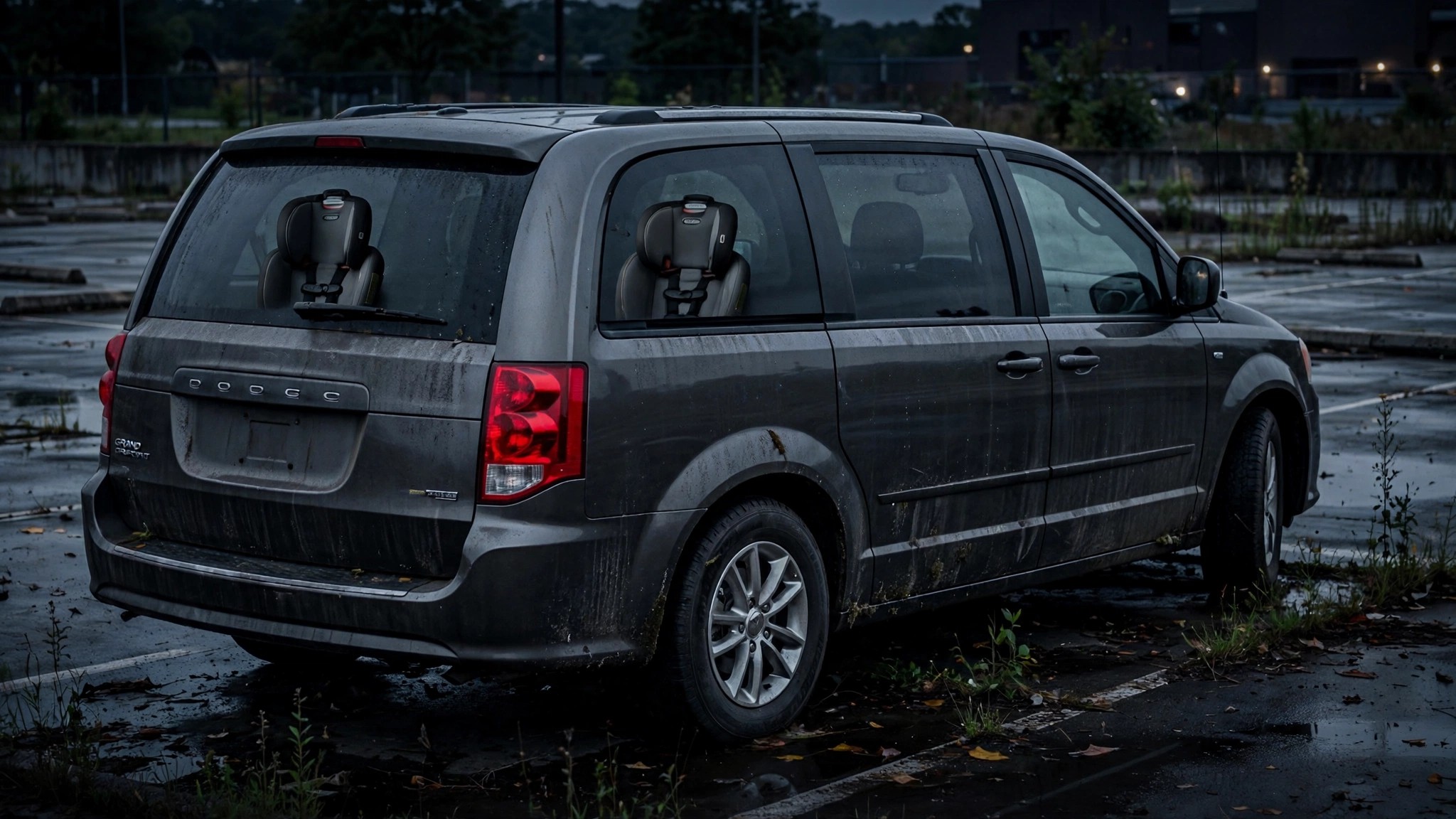
Chrysler sold the Dodge Grand Caravan for 36 years. Soccer practice. Airport runs. Costco hauls. It was the default family vehicle for a generation of Americans who believed a minivan was the responsible choice. FARS says 1,782 people died in Grand Caravans between 2014 and 2023, making it the deadliest minivan in federal crash data by a margin wide enough to park another minivan in.
That rate gap deserves its own paragraph. The Grand Caravan's fatality rate is 2.7 times the Sienna's and 7 times the Pacifica's. Same vehicle class. Same use case. Same demographic buying them: families with kids and car seats and a desperate need for the third row. The difference is that one of those families drove a vehicle with a rate comparable to the Honda Accord, and the other drove something closer to the Honda CR-V. Except the CR-V is at 0.53, which means even a compact SUV is safer per mile than America's bestselling minivan was.
Critics will cite fleet age. The Grand Caravan's production run stretches from 1984 to 2020, and FARS data captures a fleet heavy with 15- and 20-year-old vehicles. Older vehicles lack electronic stability control, side curtain airbags, and the structural engineering that modern crash tests demand. The Pacifica only entered production in 2017. Comparing the two is, in some sense, comparing eras.
Except the Toyota Sienna also spans decades. Production started in 1998, a year after the Grand Caravan's third generation launched. Same generation of buyers. Same parking lots. Similar fleet age distribution. The Sienna's rate is 0.49. That's not an era effect. That's a design effect.
Toxicology data makes it worse. Only 15.3% of Grand Caravan drivers in fatal crashes tested positive for any substance. That's lower than average. These weren't impaired drivers. They were sober parents in a vehicle that FARS says failed them at a rate nearly three times what Toyota offered in the same showroom segment.
Model year data removes the last excuse. Yes, the 2005 Grand Caravan leads the body count with 192 deaths. But the 2014 through 2019 model years generated 437 deaths combined. These are vehicles with modern airbags, ESC, and rearview cameras. They still died at rates that dwarf the competition.
And then there's the IIHS footnote. In 2026, the Insurance Institute for Highway Safety awarded zero minivans its Top Safety Pick designation. Not one. "It's disappointing that minivans continue to struggle to provide the best available protection for passengers in the back," IIHS President David Harkey said, "considering that these are supposed to be family vehicles."[3] Thirty-five of 45 Top Safety Pick+ winners were SUVs. The vehicle class that was supposed to protect families can't pass the test designed to measure whether it protects families.
Chrysler's own replacement, the Pacifica, has a rate of 0.19. That's a 7x improvement within the same corporate family. Chrysler figured out how to build a safe minivan. It just took them 36 years and 1,782 deaths to get there.
If you're still driving a Grand Caravan: Check your VIN at nhtsa.gov/recalls. The 2005 through 2012 model years have accumulated multiple recall campaigns for power steering, airbags, and ignition switches. If you're shopping for a used minivan on a budget, the Grand Caravan's low sticker price hides a fatality rate that no price tag should justify. A used Sienna costs more. Per mile driven, it's 2.7 times less likely to kill you.
Sources & References
Source: NHTSA FARS 2014–2023. Rate calculations use estimated VMT based on fleet size and annual mileage assumptions. The Grand Caravan's fleet spans model years 1994–2020; older vehicles lack safety features standard on newer competitors. The Pacifica's low rate partly reflects a newer fleet (2017–2023) with modern crash structures. See methodology for caveats.