Ford Recalled 180,000 Trucks Because the Seat Might Come Off
Automatic emergency braking. Lane centering. Adaptive cruise control. Ford packed the 2024-2026 Ranger and Bronco with every acronym in the driver-assistance catalog. Then somebody forgot to tighten the bolt holding the seat to the floor.
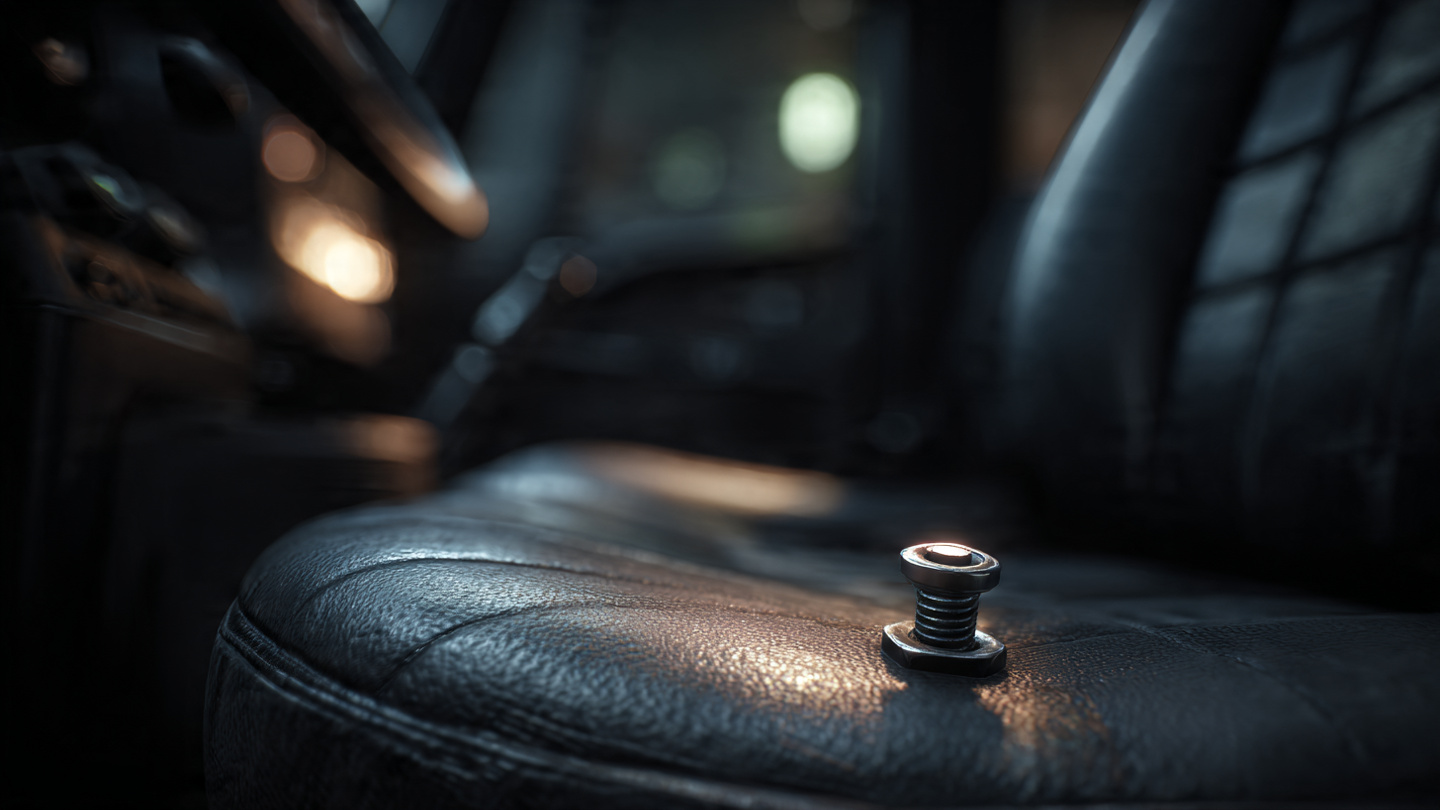
On May 1, NHTSA published recall 26V-330.[1] The defect: a bolt in the front seat frame may not be properly torqued. If it loosens, the seat could shift during a crash. Your seatbelt, your airbag, your side curtain, your pretensioner cable all assume you are sitting in a fixed position. Move the seat and every one of those systems fires into the wrong geometry. That is not a software glitch. That is the structural floor of occupant protection collapsing.
No injuries have been reported. Ford says it found the defect through internal quality audits, and dealers will replace the bolt and pivot link at no cost. Credit where it's due: catching a defect before anyone gets hurt is exactly how recalls should work. But the Ranger has baggage that makes this recall land harder than a simple bolt swap.
Across FARS 2014-2023, the Ford Ranger accumulated 3,089 deaths in 4,476 fatal crashes, a rate of 2.91 per 100 million vehicle miles traveled.[2] That is 2.8 times the fleet average and makes the Ranger the second-deadliest Ford by rate, behind only the Mustang. The Ranger occupies 0.46% of the registered fleet but accounts for 1.62% of all fatalities in our dataset: a 3.52x overrepresentation index. Most of those deaths come from older model years, specifically the 1999-2008 generation that peaked at 262 deaths for the 2003 model year alone.
Ford deserves credit for the redesign. The new-generation Ranger (2019 onward) has logged only 51 deaths across four model years in FARS, a fraction of its predecessor's carnage. That trend was heading in the right direction. And now Ford is telling 179,698 owners of the newest version that a seat bolt might be loose.
The 43,000-Truck Gap
NHTSA's own data shows that 76% of recalled vehicles aged 1-5 years eventually get repaired.[3] That sounds acceptable until you do the math. Twenty-four percent of 179,698 is roughly 43,000 trucks that will likely never see a dealer for this fix. Those 43,000 vehicles will log an estimated 582 million miles per year with a potentially compromised driver's seat.[4]
We cannot predict how many of those miles will involve a crash. We cannot say the loose bolt would have changed the outcome. But we can say this: the seat is the zeroth safety system. Before FMVSS 208 mandated airbags, before the 2012 ESC rule, before any active-safety acronym existed, the seat existed. It holds the human in the place where all the other engineering assumes the human will be. Getting the seat wrong in a 2026 model year vehicle is like building a trauma center and forgetting the floor.
What You Should Do
If you own a 2024, 2025, or 2026 Ford Ranger or Bronco: go to nhtsa.gov/recalls and enter your VIN. If your truck is affected, schedule the dealer appointment. It is free. Ford says parts are already available. Don't be in the 24%.
If you're shopping for a used Ranger or Bronco from these model years: run the VIN before you sign. A clean Carfax means nothing if the seat isn't bolted down.
Sources & References
- NHTSA, Recall 26V-330: Ford Ranger and Bronco front seat frame bolt, May 1, 2026. nhtsa.gov/recalls
- NHTSA, Fatality Analysis Reporting System (FARS), 2014–2023. Ford Ranger: 3,089 deaths, 4,476 fatal crashes, 787,500 estimated fleet. nhtsa.gov
- NHTSA, “Boosting Recall Repair Rates,” cited 76% completion for vehicles aged 1–5 years, 56% for 6–10 years. nhtsa.gov; GAO-24-106356, “Vehicle Safety: Opportunities to Improve Repair Rates.” gao.gov
- Calculation: 43,127 unrepaired vehicles × 13,500 avg annual miles (NHTS pickup estimate) = ~582 million vehicle-miles/year. nhts.ornl.gov
Limitations
FARS data (2014-2023) is dominated by old-generation Rangers (pre-2012). The new-generation Ranger has only 51 total deaths across model years 2019-2022, too few to compute a reliable rate. We cannot attribute any historical Ranger death to a seat bolt failure. The 76% recall completion rate is a national average; Ford's specific completion rate for this recall may differ. VMT estimates for the Ranger fleet carry approximately ±15% uncertainty for low-volume models. No injuries or incidents have been linked to this specific defect.
Counterargument
Ford caught this proactively. Zero injuries, zero crashes tied to the defect. The company's internal quality process worked exactly as designed, and dealers already have parts. The new Ranger's dramatic safety improvement (51 deaths across four model years vs. 3,089 total for the nameplate) suggests Ford has genuinely invested in structural safety for this generation. A bolt torque issue in assembly, while embarrassing, is categorically different from a design flaw.