1,166 Cyclists Died in 2023. That's the Worst Number Since 1980. Everyone Else's Numbers Got Better.
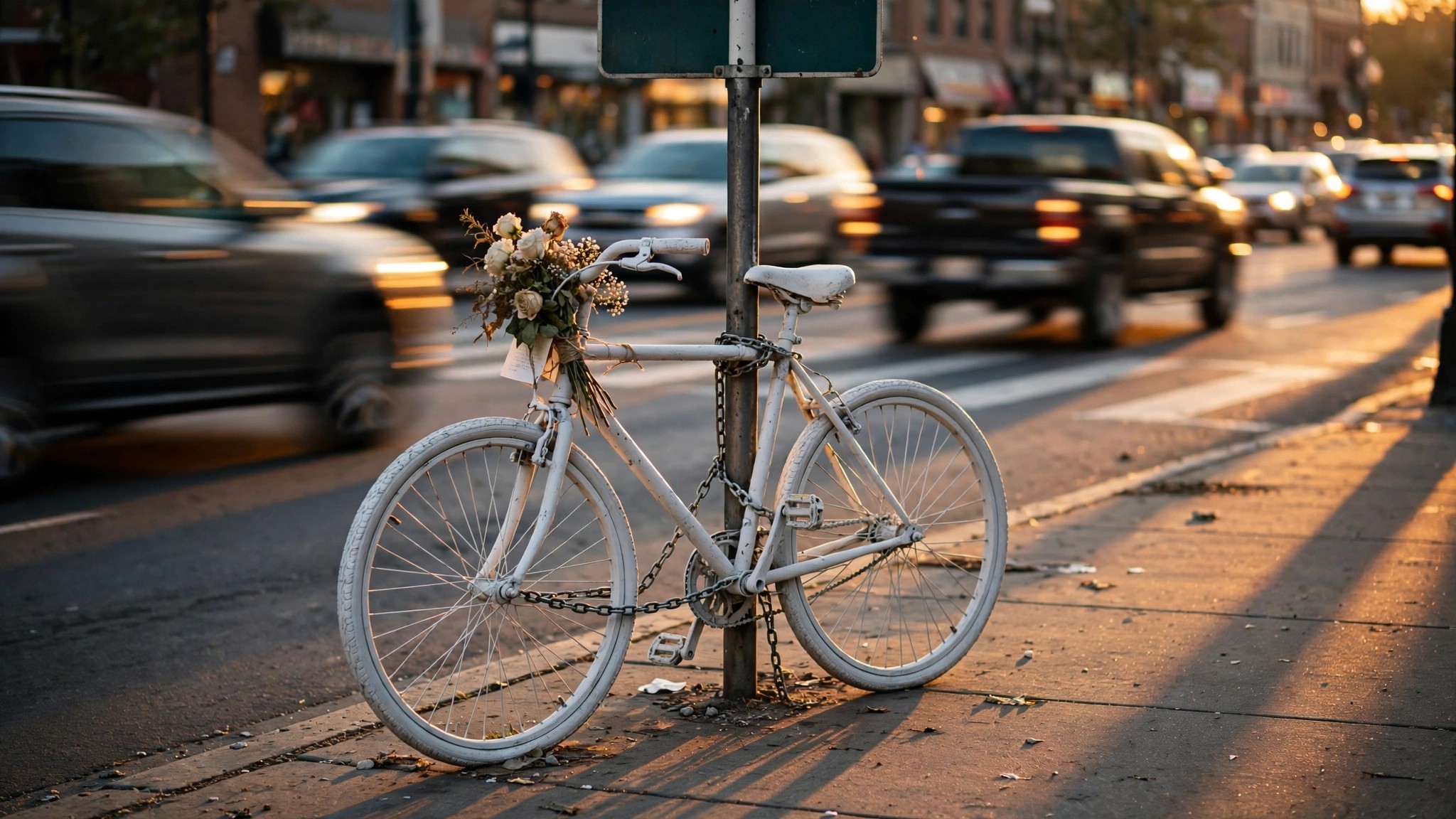
NHTSA just finalized its 2023 FARS data, and the headline number is the one everyone wanted: total traffic deaths dropped 4.3%, the fatality rate per 100 million VMT ticked down, and the 11-quarter decline streak continued into 2024.[1] What nobody put on the press release banner: 1,166 cyclists were killed that year, the highest annual count in at least 43 years.[2]
The trend lines have been diverging for a decade. In 2013, 747 cyclists died on American roads. By 2018, that number crossed 868. The COVID years accelerated it past 940, then past 1,000 in 2022, and now past 1,100. A 56% increase across ten years while total traffic fatalities rose 25% over the same period.[3] Cyclist injuries followed the same slope: 49,989 in 2023, up 8% from the year before. Nearly 50,000 people on bikes hit by cars in a single year.
The geography is concentrated enough to be damning. Florida killed 234 cyclists in 2023. California got 145. Texas, 106. Those three states account for 42% of the national body count.[2] Four states recorded zero cyclist deaths. Alaska, Maine, North Dakota, South Dakota. Not exactly cycling capitals.
The demographic profile is even more stark. Male cyclists die at seven times the rate of female cyclists. And in 34% of fatal cyclist crashes, either the cyclist or the driver had been drinking. One in five dead cyclists had alcohol in their system.[2] That's not a cycling infrastructure problem. That's a substance abuse problem on two wheels and four.
Meanwhile, non-motorists as a category have become a growing share of the national death toll. In 2014, pedestrians, cyclists, and other non-motorists were 17.8% of all traffic fatalities. By 2023, that share reached 21.6%.[3] The absolute number of non-motorist deaths rose 50.9% over the same decade. The vehicles got safer for the people inside them. The people outside them got a heavier, taller, less-visible fleet to contend with.
The counterargument writes itself: more people are cycling. E-bikes exploded in sales. Post-COVID commuting patterns shifted. Some of the raw count increase is exposure. That's fair. But the divergence from the overall fatality trend isn't explained by exposure alone. If cycling exposure increased 56% in a decade, you'd expect a proportional rise. What you wouldn't expect is the cyclist trend line accelerating upward while every other category bends down.
Something structural changed. The average new vehicle sold in America weighs over 4,300 pounds. Hood heights are up 25% since 2010. NHTSA's 5-star rating system evaluates occupant protection. It does not evaluate what happens to the cyclist you hit. The AEB mandate finalized in 2024 requires pedestrian detection by 2029. Cyclist detection remains optional.[4]
The math is simple. Every safety dollar spent on crumple zones, side-curtain airbags, and occupant detection has paid dividends for the people writing the check. It has done nothing measurable for the person on the bike who absorbs the energy the crumple zone redirected.
Sources & References
- NHTSA, NHTSA Releases 2023 Traffic Deaths, 2024 Estimates, April 2026. nhtsa.gov
- NHTSA, Traffic Safety Facts 2023 Data: Bicyclists and Other Cyclists, DOT HS 813 739. crashstats.nhtsa.dot.gov
- Pedestrian & Bicycle Information Center, crash data summary, 2023 FARS. pedbikeinfo.org
- NHTSA, Federal Motor Vehicle Safety Standard No. 127: Automatic Emergency Braking, final rule 2024. nhtsa.gov
What You Can Do
If you ride: 62% of dead cyclists weren't wearing helmets. That number hasn't changed in a decade.[2] Front and rear lights aren't optional after dark when half of cyclist fatalities happen in darkness. Ride with the assumption that no driver sees you, because the data says they often don't.
If you drive: check your vehicle's AEB system specs. Most don't detect cyclists at all. If yours doesn't, you are the AEB. Particularly at dusk, in urban areas, at non-intersections where 63% of cyclist deaths happen.