It Took 14 Years to Require a Side-Impact Test for Your Kid's Car Seat. Do the Math on Who Paid.
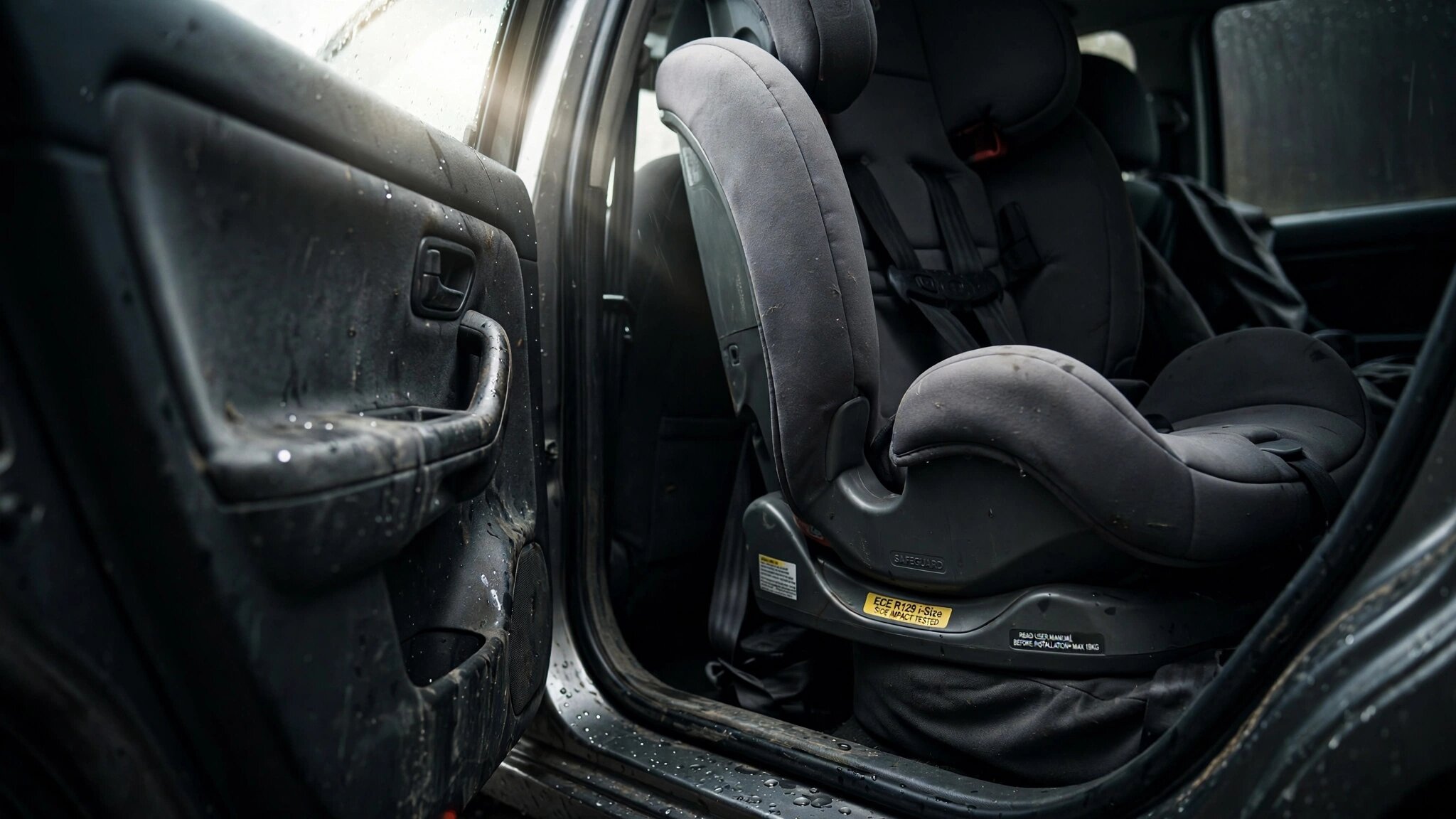
Every child car seat sold in America since 1971 has been tested for frontal crashes. Exactly zero were required to pass a side-impact test until FMVSS 213a, which takes effect December 5, 2026.[1] Congress ordered NHTSA to write this standard in July 2012.[2] The agency proposed rules in 2014, finalized them in 2022, and then granted manufacturers an 18-month extension past the original June 2025 deadline.[3] Fourteen years from congressional mandate to enforcement, for a crash test simulating a 30-mph door hit.
NHTSA's own rulemaking data spells out what that delay cost. Between 2015 and 2019, an average of 213 children ages 0 to 12 died annually while properly restrained in child seats. Of those, 52 were killed in side-impact crashes where the seat was never designed, tested, or required to protect them.[4] Fifty-five percent of those deaths happened on the nearside, inches from the intruding door panel, exactly where energy-absorbing padding and head containment structures matter most. Multiply 52 by 14, and you get roughly 730 children who died in the specific crash mode this standard was built to address, during the years it sat in regulatory limbo.
Not all 730 deaths were preventable with better-tested seats. Side impacts are violent, and structural intrusion kills regardless of what is strapped to the backseat. But NHTSA's efficacy projections indicate meaningful injury reduction from side-impact energy management, particularly head excursion limits keeping a child's skull clear of intruding metal and glass. A conservative 30 percent efficacy assumption yields roughly 220 preventable deaths across the delay period.
The EU has required side-impact testing under ECE R129 since 2013, one year after Congress told NHTSA to act. Many US-market manufacturers already pass those tests voluntarily, meaning compliant hardware existed for a decade while America's regulatory apparatus drafted paperwork around it. The counterargument is fair: get test procedures wrong and you certify seats that do not protect kids. NHTSA had to develop new dummies and validate sled configurations. But the EU achieved comparable rigor faster, and the 2025 extension was a response to manufacturers who had three years of advance notice.[3] At some point, caution becomes indifference with footnotes.
What to do now. After December 5, all newly manufactured seats must carry the FMVSS 213a label, so look for it when shopping. If you are buying before then, check whether the seat meets ECE R129 or advertises voluntary side-impact testing. Position child seats in the center rear when possible; it is the farthest point from any door. And check the expiration date stamped on every seat, typically six to ten years from manufacture, because the plastics degrade, the foam loses absorption, and you are trusting your child to materials that may no longer perform as engineered.[5]
Sources & References
- NHTSA, FMVSS No. 213a; Child Restraint Systems—Side Impact Protection, Final Rule (2022). transportation.gov
- MAP-21, Pub. L. 112-141, Section 31501, signed July 6, 2012. congress.gov
- NHTSA, NPRM: FMVSS No. 213a Amendments, Docket NHTSA-2025-0046 (May 30, 2025). Proposes delaying compliance from June 2025 to December 2026. regulations.justia.com
- NHTSA, Final Regulatory Impact Analysis: FMVSS 213a, FARS 2015–2019 child occupant fatalities by crash mode and restraint type. nhtsa.gov/fars
- NHTSA, Car Seats and Booster Seats. nhtsa.gov