The Dodge Charger Is America’s Favorite Bar Car. The Toxicology Reports Prove It.
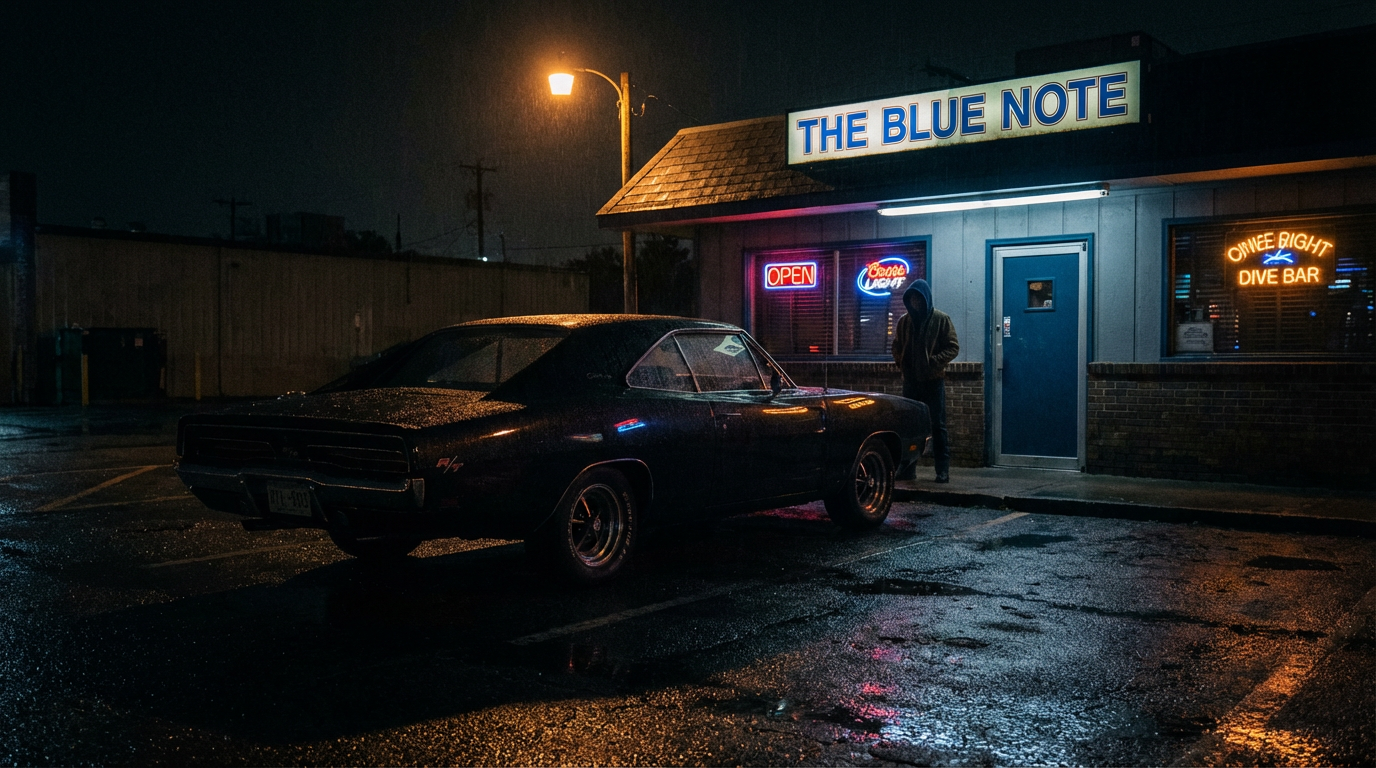
According to the toxicology reports — and there are a lot of them — the Dodge Charger has a drinking problem. Of the 4,339 Charger drivers involved in fatal crashes between 2014 and 2023, fully 985 were impaired. That’s a 22.7% impairment rate, with 17% testing positive for alcohol and 9.1% for drugs.
To put that number in perspective: the national average across all vehicles sits around 20%. The Charger beats it, but the real story isn’t the percentage — it’s the volume. With 4,339 drivers in fatal crashes, the Charger has more impaired-driver fatality data than most vehicles have total crash data. Only the Ford F-150 and Chevy Silverado contribute more bodies to the FARS database.
What makes the Charger fascinating is what it is. Dodge classifies it as a sedan. NHTSA classifies it as a sedan. It is, technically, a four-door family car. But it’s a four-door family car with an available 485-horsepower Hemi V8, a top speed north of 170 mph, and a customer base that skews young, male, and apparently thirsty. The Charger is a muscle car wearing a sedan’s name badge, and the impairment data reflects that identity crisis perfectly.
Compare it to its two-door sibling, the Challenger: 2,037 drivers in fatal crashes, 22.5% impaired. Nearly identical impairment rates, which tells you this is a brand culture problem, not a body-style problem. Dodge owners drink and drive at the same rate whether they have two doors or four.
The Charger also has a surprisingly low fatality rate per mile: just 0.75 deaths per 100 million VMT, well below the Mustang (6.02) or Camaro (3.44). It’s not an especially dangerous car to drive — it’s just an especially popular car to drive drunk. With 715 total deaths and an estimated fleet of 831,250, the Charger kills at a reasonable rate. Its drivers just seem determined to make those deaths count.
The Camaro, for comparison, posts a 23.0% impairment rate from 2,832 drivers. The Mustang sits at 21.9% from 4,664 drivers. Among the American muscle trinity, the Charger splits the difference — more impaired than the Mustang, slightly less than the Camaro, but with a sample size big enough to make the statistics very confident.
If you see a Charger in the bar parking lot at 1 AM, the data says what you already know.