The Chevrolet Camaro Is the Second-Deadliest Sports Car in America. It’s Not Even Close to First.
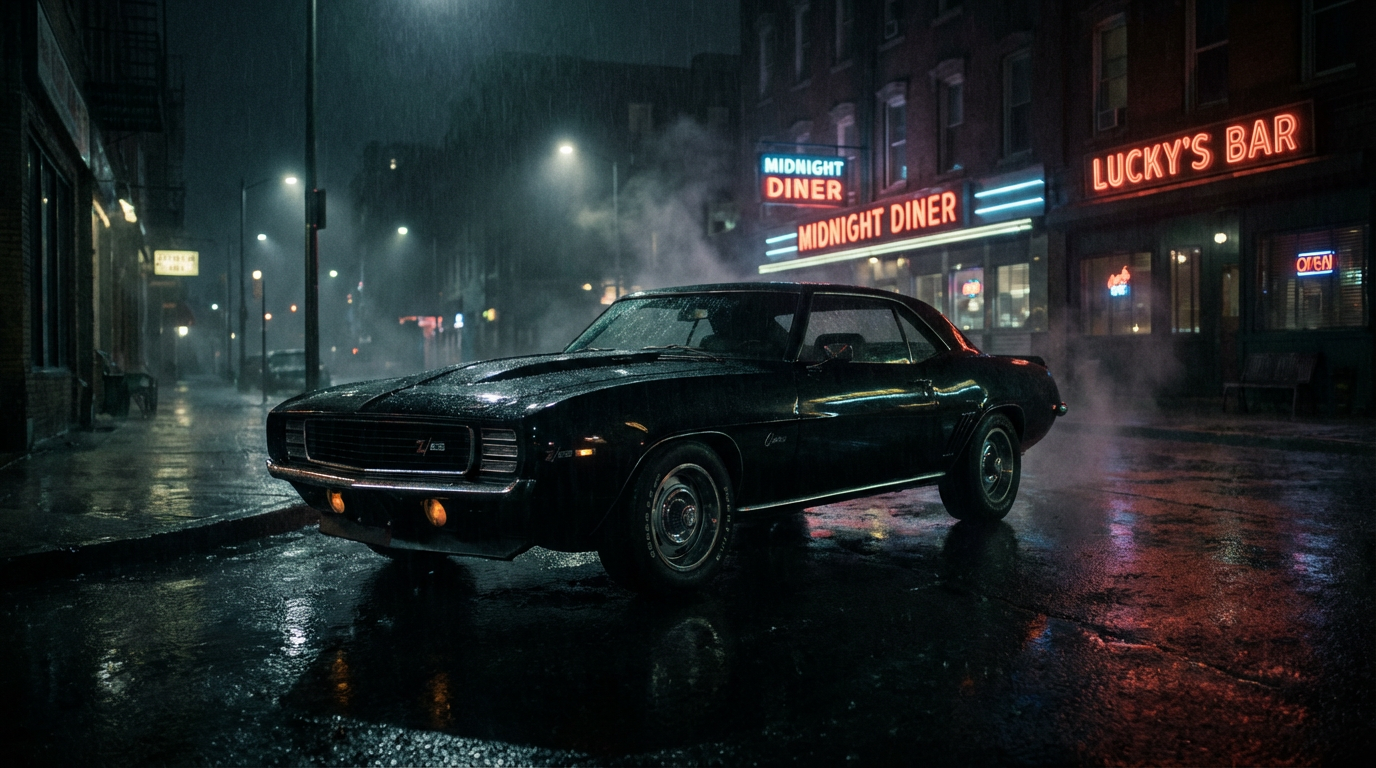
Let’s talk about what happens in the first 150 milliseconds when a Camaro hits something solid. The answer, according to a decade of NHTSA fatality data, is that 1,204 people didn’t survive it.
That rate makes the Camaro the second-deadliest sports car in America by estimated fatality rate, behind only the Ford Mustang’s staggering 6.02. But here’s what’s interesting about being second place in a death race: the Camaro’s 3.44 rate is barely more than half the Mustang’s. GM’s pony car kills at a meaningfully lower rate than Ford’s, despite occupying essentially the same market segment, targeting the same buyer demographics, and offering comparable horsepower.
The raw numbers tell a similar story with a different emphasis. The Mustang racked up 2,739 deaths over 2014–2023; the Camaro managed 1,204. Part of that gap is fleet size — Ford sold more Mustangs (estimated fleet of 568,750 vs. the Camaro’s 437,500) — but fleet size alone doesn’t explain a 75% difference in per-mile death rates.
Then there’s the impairment question. 23% of Camaro drivers in fatal crashes tested positive for alcohol or drugs — based on 651 impaired out of 2,832 total drivers. That’s notably higher than the Mustang’s 21.9% and well above the national average. The alcohol-positive rate sits at 17.1%, with drugs contributing another 10.2%. This is a car that, statistically speaking, attracts a slightly more chemically adventurous driver than its cross-town rival.
The Dodge Challenger, by comparison, posts just a 1.00 fatality rate with 385 deaths — making the Camaro more than three times as deadly per mile as Dodge’s entry in the muscle car wars. Even the Corvette, with all its extra horsepower and rear-engine snap-oversteer reputation, manages only 1.52.
What makes the Camaro deadlier than similarly powerful alternatives? It’s likely a cocktail of factors: younger average buyer age, lower average transaction price than the Corvette (meaning less driver experience per dollar of horsepower), and the specific visibility challenges of the fifth and sixth-generation Camaro’s notoriously bunker-like greenhouse. When you can’t see out of your car, the first 150 milliseconds tend to go badly.
The Camaro was discontinued after 2024. The deaths won’t stop for years.