Congress Spent 12 Years Mandating Backup Cameras. 7 Million of Them Don't Work.
Cameron Gulbransen was two years old when his father accidentally backed over him in the family driveway in 2002. His death launched a legislative campaign that ground through Congress for six years, produced the Cameron Gulbransen Kids Transportation Safety Act in 2008, then waited another six years for NHTSA to finalize the rearview camera rule in 2014, and three more for full compliance by May 2018.[1] Twelve years from a dead toddler to a federal mandate. And now 7 million of the cameras it required are broken.
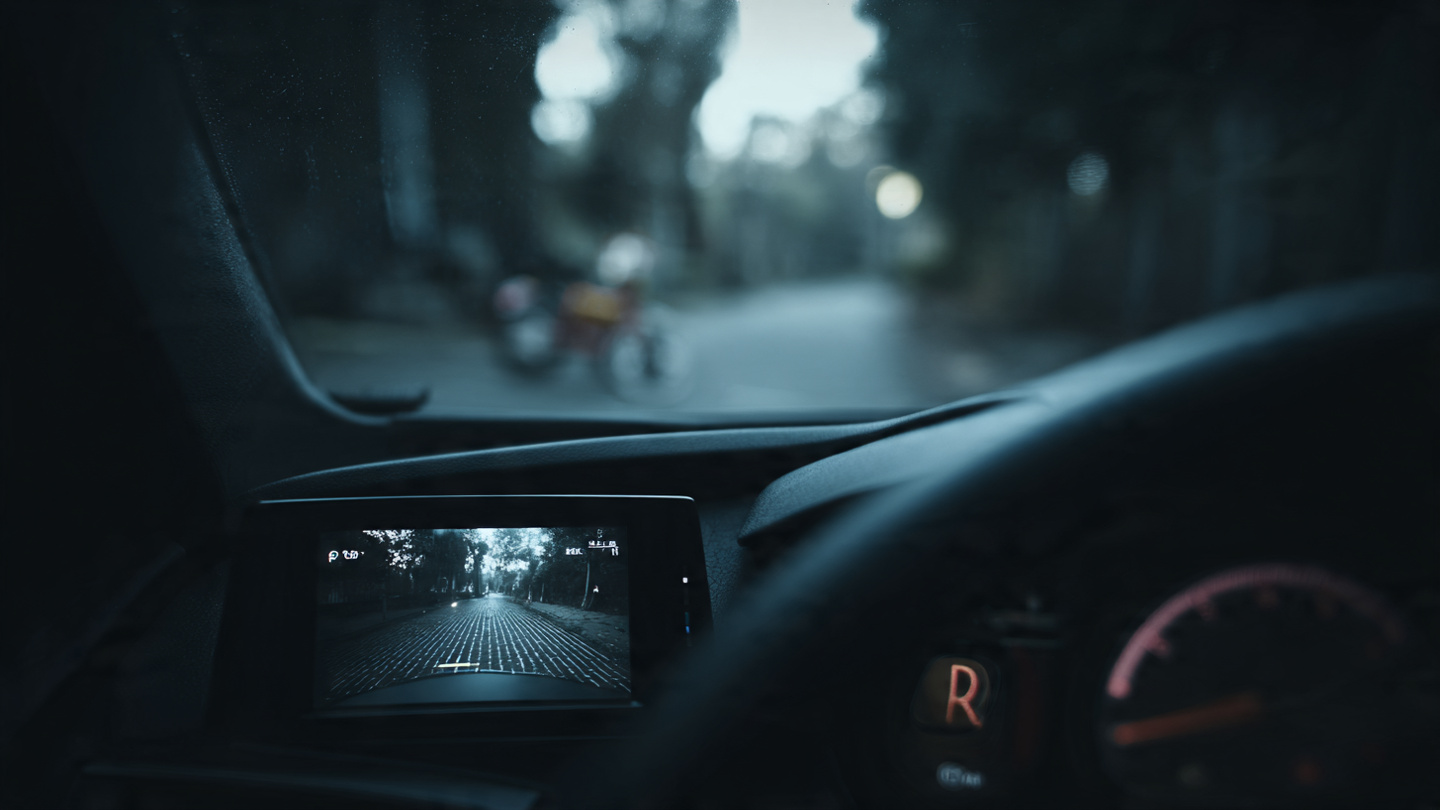
CARFAX reported that number this month, up 1.5 million since January.[2] The failure modes read like a catalog of consumer-electronics fragility applied to safety-critical equipment: blank screens, frozen images, delayed activation, display lag that turns a 3-second backing maneuver into a blind guess. Tesla alone recalled 210,000 vehicles because the rearview camera image lagged on the center screen.[3] Honda, Hyundai, and a dozen other manufacturers have their own batches. Texas leads the country with 696,000 unfixed vehicles. California is close behind.
NHTSA's own cost-benefit analysis for FMVSS No. 111 estimated that backup cameras would prevent 58 to 69 deaths per year and 229 injuries.[4] Over the eight years since full compliance, that projects to roughly 464 to 552 lives theoretically saved. The agency spent 292 pages defending a benefit that depended entirely on one assumption: the cameras work. The rule specifies a 10-by-20-foot rear field of view, image quality standards, and weather durability. It says nothing about what happens when the screen goes dark three years after purchase.
No other federally mandated safety system has this pattern of failure at this scale. (Takata airbag inflators affected 67 million vehicles, but that was a single manufacturing defect in one supplier's product. Backup cameras are failing across every major manufacturer simultaneously, through a dozen different failure modes, because the entire category was built to consumer-electronics tolerances.) Airbags do not need a software update to deploy. Anti-lock brakes do not freeze on a loading screen. Electronic stability control does not display a buffering icon while your car slides. These are mechanical systems with mechanical reliability margins. Backup cameras are the first mandated safety feature built on consumer-electronics architecture, and they are failing at consumer-electronics rates. The 7 million figure represents roughly 2.4% of America's 290 million registered vehicles. If 2.4% of airbags simply stopped inflating, Congress would hold hearings within a week. For cameras, the recall notice sits unopened in a pile of junk mail.
The structural problem is recall completion. Industry-wide, the average recall completion rate hovers between 70% and 80% for the first 18 months, then drops sharply.[5] For software-only recalls that require a dealer visit or OTA download, the rates are worse. Tesla's OTA capability should theoretically push compliance higher, but the 210,000-unit recall still shows up in CARFAX's unfixed count, which means even the easiest possible fix is not reaching every vehicle. NHTSA has no enforcement mechanism to compel an owner to bring a car in. The mandate can require the camera. It cannot require the owner to fix it when it breaks.
What to do with this: Check your vehicle at nhtsa.gov/recalls or carfax.com/recall. Backup camera recalls are free. If your screen goes blank, freezes, or shows a delayed image when you shift into reverse, do not assume it is a glitch. That is a safety system failure on equipment the federal government spent 12 years requiring you to have. Get it fixed. Cameron Gulbransen's family fought for the camera in your car. The least you can do is make sure it turns on.
Sources & References
- Cameron Gulbransen Kids Transportation Safety Act of 2007 (S. 694, signed 2008); NHTSA Final Rule, FMVSS No. 111, Rear Visibility, 79 FR 19177 (April 2014); full compliance May 1, 2018. nhtsa.gov
- CARFAX Recall Tracker, May 2026: “Nearly 7 Million Vehicles Have Unfixed Backup Camera Recalls.” Up 1.5 million since January 2026. Texas leads with 696,000 unfixed. carfax.com
- Tesla recall of 210,000+ vehicles for lagging rearview camera images, reported by CARFAX and Autoremarketing, May 2026. autoremarketing.com
- NHTSA Regulatory Impact Analysis for FMVSS No. 111, Rear Visibility: estimated 58–69 fatalities and 229 injuries prevented per year. Cost per vehicle: $132–$142. nhtsa.gov
- NHTSA Office of Defects Investigation recall completion rate monitoring; industry average 70–80% within 18 months per NHTSA’s 2020 Recall Completion Report to Congress. Rates decline sharply for software-only and low-severity recalls. nhtsa.gov