The Oldsmobile Alero Died in 2004. Its Drivers Lead the League in Driving High.
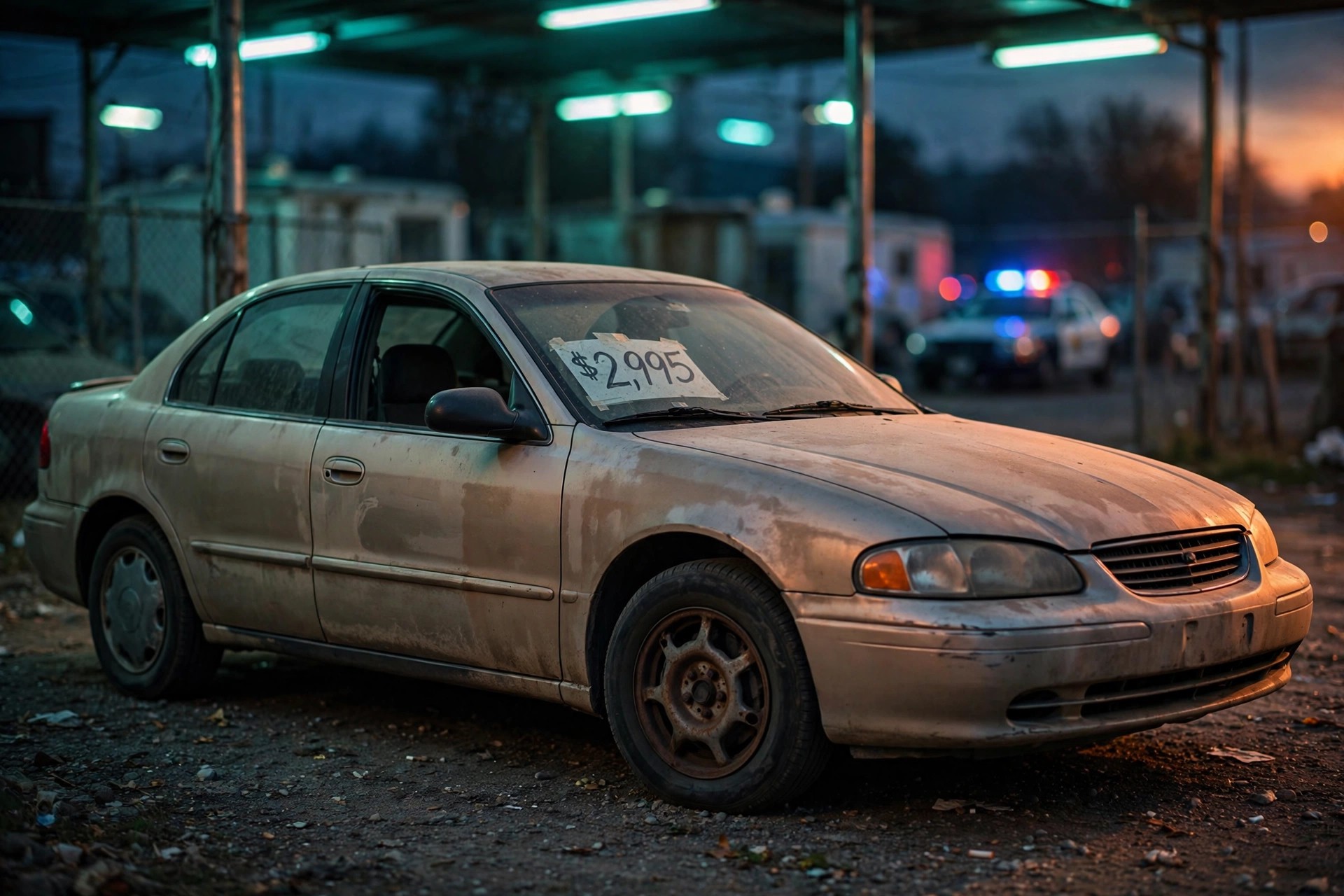
According to the toxicology reports, and there are a lot of them, the most drug-positive drivers in America all drive the same car: the Oldsmobile Alero, which GM discontinued in 2004. Of 141 Alero drivers in fatal crashes, 18.4 percent tested positive for drugs, the highest rate of any of the 307 models in a decade of federal data.
That is not a typo, because a sedan last sold when the Motorola Razr was cutting edge beats every sports car, every bro-truck, and every luxury barge in the only standings this desk cares about. It also ties its own alcohol record at 18.4 percent, because apparently Alero drivers commit to the bit.
Curious whether the Alero was a fluke, I cross-tabbed impairment rates against newest model year across all 303 qualifying nameplates: correlation, negative 0.32. In plain English: the older the fleet, the drunker the driver. Pre-2005 fleets average 22.7 percent impairment; 2015-and-later fleets average 19.7 percent. Four buckets, a perfect staircase.
The leaderboard reads like a fever dream from a budget used-car lot: Park Avenue, Astro Van, Ford Five Hundred, Hyundai Tiburon, Isuzu Rodeo, Ford Escort. Thirteen of the twenty most-impaired nameplates have not been manufactured since 2010. These are $3,000 cars, which is the whole story.
Before you blame old sheet metal, meet the Corvette: newest model year 2023, impairment rate 26.2 percent, eighth worst in the nation. The Audi A3 (2017) sits fourth at 27.1 percent, and the Cadillac CTS (2019) is tenth. New cars, expensive cars, fast cars, driven by people who treat toxicology screens as a lifestyle choice. Sheet metal does not cause the impairment; the price tag sorts the drivers. Broke risk-takers land in $3,000 Aleros, rich ones in Corvettes.
Some fine print, because this desk respects the lab: drug-positive is not the same as impaired. THC lingers in blood for days after the high fades, and NHTSA warns a positive test correlates poorly with actual impairment behind the wheel.[3] Testing is inconsistent across states, which could tilt individual model rates. FARS only sees fatal crashes, the worst 40,000 of roughly 6.7 million annual wrecks. And 141 Alero drivers is a modest sample next to the Corvette's 1,147, so the crown has wide confidence intervals.
Which leaves the practical question: what do you actually do with this? Shopping the bottom of the used market means joining that cohort: nearly one in three Alero drivers in fatal crashes was impaired, and the cars around you at that price point skew the same way. Drive accordingly. If you are buying a first car for a teenager, pediatric injury researchers say to skip anything older than 15 years and treat electronic stability control as non-negotiable.[5] IIHS puts the fatality-odds penalty for going without ESC at 37 percent.[4] Whatever you buy, run the VIN at nhtsa.gov/recalls before money changes hands.[1]
Sources & References
- NHTSA, Fatality Analysis Reporting System (FARS), 2014–2023, via site dataset fars_output.js (toxicology: 307 models; model-year: 323 models). nhtsa.gov
- NHTSA, Traffic Safety Facts: Alcohol-Impaired Driving, 2023 Data, 12,429 killed, 30% of all traffic deaths, one every 42 minutes. crashstats.nhtsa.dot.gov
- NHTSA, Drug-Impaired Driving, marijuana the most frequently detected psychoactive substance after alcohol; crash-risk elevation partly confounded by demographics. nhtsa.gov
- IIHS, “Retirement vehicles raise the risk of crash fatalities for older drivers,” December 2021, drivers 70+ significantly more likely to drive vehicles 16+ years old; no ESC associated with 37% higher odds of driver fatality. iihs.org
- Fangda Zhang et al., Nationwide Children's Hospital Center for Injury Research and Policy, May 2025, older vehicles and fewer driver-assist technologies associated with higher death risk regardless of driver age; advise avoiding vehicles older than 15 years for teens. medicalxpress.com